
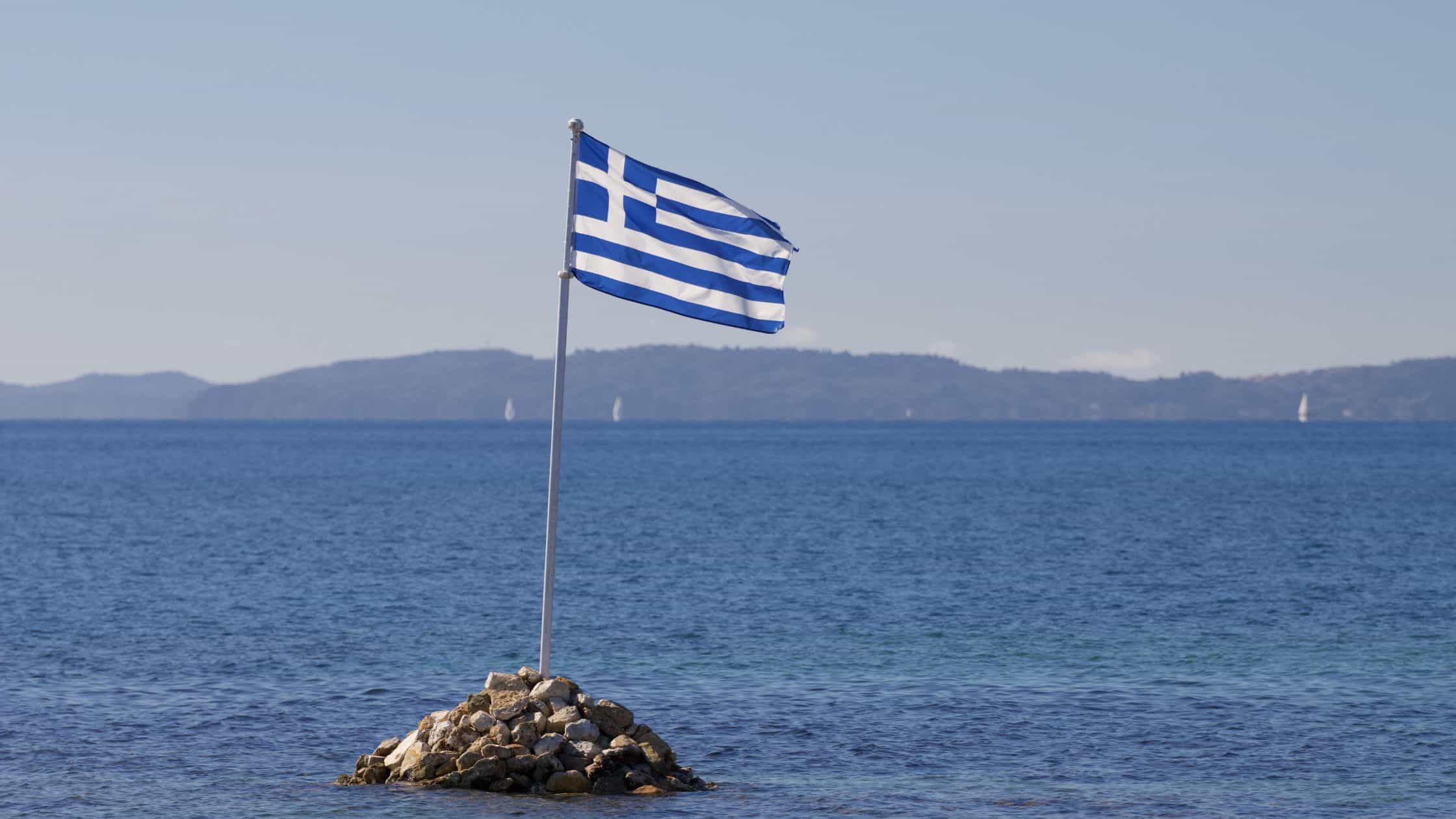
Greece circuit: Athens, Thessaloniki, Heraklion, Rhodes Town is a route that looks clean on paper and messier in practice. Four cities, two islands, multiple modes of transport, and a country that runs on a different internal clock depending on if you are on the mainland or facing the Aegean. The question worth asking before booking isn’t “can I do all four?” It’s whether doing all four actually serves the kind of trip you want.
This is a high-variety route. The mainland cities feel different from the islands in ways that go beyond the obvious. Thessaloniki has an evening energy that stays on the street until well past midnight, particularly in the Ladadika and Bit Bazaar areas, where the tables push out across the cobblestones and the noise carries.
Rhodes Town inside the medieval walls is quiet by comparison, almost self-contained. Heraklion is neither – it has the density of a working city with tourists moving through it rather than a place built around them. Athens is, well, Athens: a lot going on, not always comfortable, occasionally exhausting, and worth it.
Getting the order and pacing right matters more than people expect. This node focuses on that: the movement logic, the seasonal fit, and where the tradeoffs actually land for different kinds of travelers.
Best route for Athens, Thessaloniki, Heraklion and Rhodes Town
The natural direction is south-to-north on the mainland and then east across the islands, or more commonly the reverse: fly into Athens, travel north to Thessaloniki by train, then pivot back south and east into the islands.
The Athens-to-Thessaloniki train takes about five and a half hours from Larissa station and is significantly less stressful than flying, no airport buffer time, a proper seat, and a window view of a country that doesn’t look the way most people expect the Greek interior to look.
From Thessaloniki, there’s no direct connection to either island. You either backtrack to Athens (train again, or a short domestic flight) and connect there, or fly Thessaloniki directly to Heraklion or Rhodes depending on the season.
Direct routes from Thessaloniki to both islands exist in summer, which changes the logic considerably if you’re traveling June through September.
Heraklion and Rhodes are not easy to connect between directly without going back through Athens. Most travelers treat them as sequential island stops rather than a comparison, you’re not choosing between them, you’re visiting both.
The ferry from Piraeus (Athens’ port) to Heraklion runs overnight and takes roughly 8 to 9 hours; it saves a hotel night if you time it right and the sleep on board is genuinely manageable on the higher cabin classes. Rhodes is most commonly reached by flying from Athens or Heraklion.
How many days to spend in each stop
Athens arrives first on this route, and it asks the most of you. The city isn’t difficult, but it’s dense in a particular way – the Monastiraki area, the Acropolis approach, the afternoon heat if you’re visiting from May onward.
Most first-timers underestimate how much ground they cover without meaning to, and how tired their legs are by day three. If you’re reading the Athens first-time guide before locking in your stay duration, it’s worth noting that four nights is probably the minimum that lets the city breathe rather than race.
Thessaloniki is the reprieve. It’s a smaller city that rewards slower movement. The Roman and Byzantine layers are compact enough to absorb in a morning, the waterfront promenade is flat and long, and the food – meze, fresh seafood, the specific Thessalonian interpretation of bougatsa – becomes a reason to linger in itself.
Three days is enough to feel the city’s rhythm without overstaying. The Thessaloniki first visit read covers the neighborhood structure in detail, which matters because where you stay changes the experience significantly here.
Heraklion is a transition city for most visitors. Few people come to Crete to stay in the capital; they use it as a base for Knossos, the Minoan museum, and day trips west toward Rethymno or east toward the palace of Malia.
That’s a reasonable way to use it. Three to four nights lets you do the archaeology without rushing, see enough of the old harbor to understand why the Venetian walls still feel functional rather than decorative, and leave time to absorb the island before the next flight.
Rhodes Town is the end of the route, and it carries that slightly released quality that last stops tend to have. The medieval walled city is genuinely compact – you can walk it end to end in under twenty minutes.
The adjacent Neohori (new town) has the restaurants, the evening movement, the shops that stay open late. In peak summer, the cruise ship arrivals mean that the Street of the Knights inside the walls gets crowded from around 10am to 3pm, then noticeably calms.
Timing your walks accordingly is not a workaround – it’s just how the place operates.
Is this Greece itinerary right for your travel style?
This circuit works best for travelers who genuinely want contrast and don’t mind transfer days. The variety is the point: a working northern Greek city, the main archaeological weight of Crete, a medieval island capital.
If you’re someone who settles into places slowly and prefers to feel at home before moving on, four cities across roughly two weeks can start to feel like a series of arrivals rather than a trip.
It fits well for travelers doing Greece for the first time and wanting a broad read of what the country contains beyond the island postcard. It also works for returning visitors who already know the islands and want to fold in the mainland texture they skipped before.
Where it becomes less satisfying is if you’ve come specifically for island pace – in which case the mainland portion might feel like the obligation before the real trip starts, and you’d be better served dropping Thessaloniki or shortening Athens and spending that time on a second island.
Solo travelers handle this route well. The logistics are self-managed and each city has enough independent movement to feel natural without a group.
Couples with different preferences sometimes find it easier than expected because each city offers a different register, one of you might anchor in Thessaloniki’s food scene while the other pushes out toward the Byzantine monuments.
Families with young children will need more buffer days and should read the transfer logistics carefully before committing to the island legs in July or August, when boat and flight availability gets genuinely constrained.
Best time to visit Athens, Thessaloniki, Heraklion and Rhodes
Late May into June is currently the most balanced window for this specific route. Athens is warm but not yet at its late-July intensity.
Thessaloniki’s outdoor dining culture is in full swing, evenings are long and the city faces the sea in a way that summer light flatters. Heraklion and Rhodes are open, staffed, and accessible without the August density that can make both feel more managed than lived-in.
July and August work, but they require more lead time on bookings – particularly ferries and mid-range accommodation on the islands. Rhodes Town in August is genuinely full, the kind of full where every restaurant with outdoor seating has a wait by 8pm.
That’s not a dealbreaker; it’s just a different trip than the one in June.
September is another strong window, especially for Thessaloniki, which hosts its International Film Festival in November and has a different social energy in early autumn than in summer.
The islands begin to wind down from late September, with some smaller operations closing, but Heraklion and Rhodes Town operate at a comfortable scale through October.
How to travel between mainland Greece and the islands
Every circuit has its friction day. On this route, it’s usually the move from Thessaloniki to the first island.
You’re either flying back through Athens (which means a second pass through the same airport), taking a direct summer seasonal flight if the timing allows, or building a buffer night back in Athens before continuing. None of these are bad options.
The buffer night in Athens is actually useful if you under-estimated the city the first time – it gives you an evening in a neighborhood you didn’t reach, or a meal at a place that was closed the night you wanted to go.
The overnight ferry to Heraklion from Piraeus deserves a specific mention. ANEK Lines and Minoan Lines both operate this route regularly.
Booking a private cabin rather than a reclining seat is the difference between arriving rested and arriving rumpled. If you’re traveling in July or August, booking this leg several weeks in advance is not overcautious.
The Rhodes leg at the end is usually the smoothest. By that point in the trip, most travelers have found their transfer rhythm and the city’s compact scale makes arrival easy – even late flights drop you into an island that, inside the walls, takes about fifteen minutes to walk anywhere meaningful.
Greece circuit costs and travel
This circuit is not cheap. Four separate accommodation bases, domestic flights or ferries, and the fact that Greece’s island prices in summer don’t leave much room below the mid-range bracket means this is more an experience-investment route than a budget circuit.
That’s not a criticism – it’s a calibration. If budget is the primary constraint, a single-island stay with Athens as a bookend covers more ground per euro than this four-city loop.
The depth tradeoff is real too. You’ll leave each city knowing you’ve touched the surface of something larger. Crete alone could absorb three weeks without repetition.
Rhodes has an interior that most visitors on this circuit never see. That’s the nature of a circuit – you’re trading depth for range. Some travelers find that entirely satisfying.
Others arrive home wishing they’d stayed in one place longer and wondering what they missed, which is a different kind of problem to have, but still a problem.
Frequently asked questions about this Greece circuit
1. How many days do you need for the Greece circuit: Athens, Thessaloniki, Heraklion, Rhodes Town?
Most travelers find 14 to 18 days comfortable for this route without rushing. Athens and Crete each tend to absorb 4 to 5 days naturally, while Thessaloniki works well at 3 days and Rhodes Town at 3 to 4. Shorter than 12 days and the transfers start dominating the trip.
2. Is flying between all four cities the only realistic option?
Not entirely. Athens to Thessaloniki is a 5.5-hour train ride that many travelers prefer over the airport experience, especially with luggage. The island legs require flying or ferries; ferries from Piraeus to Heraklion run overnight and save a hotel night, though the high-season schedules fill up fast.
3. What time of year works best for this four-city Greece route?
Late May through June is the most balanced window: the islands are open and warm, crowds haven’t peaked, and Thessaloniki still has comfortable evening temperatures for outdoor dining. July and August work but require more forward planning on ferries and accommodation, and Rhodes Town in particular becomes very dense with visitors.
4. Is this circuit suitable for first-time visitors to Greece?
Yes, with some caveats. Athens and Thessaloniki are easier to navigate on a first visit. Heraklion and Rhodes Town are compact enough to feel manageable, but both benefit from at least one day trip into the surrounding area, which adds complexity. First-timers who prefer lower logistical overhead might want to read the Athens first-time guide before committing to the full route.
5. Should the itinerary run Athens first or Thessaloniki first?
Athens first is the more common approach and logistically easier, since most international flights land there. Starting in Thessaloniki is possible from certain European hubs and gives the route a different rhythm, saving Athens for the end, which some travelers prefer because it has more onward connection options.