
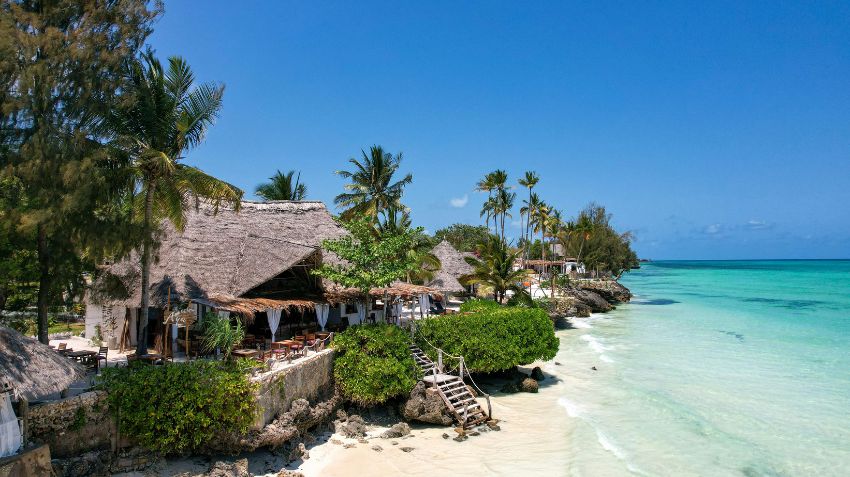
Choosing the best areas to stay in Zanzibar is not just a question of beach versus history – it is a question of which rhythm you want to live for a week, and which part of the island you want to feel under your feet by the third day.
The island splits, broadly, into three zones with distinct characters: the western historic city, the northern reef coast, and the slower, windward east. Each reads differently in July and August, when the dry season is fully established and visitor activity is at its peak. Getting the base right changes everything about how the trip unfolds.
If you are planning your first visit, the Zanzibar first-time travel guide explains the best time to go, how many days you need, how to move around and how to combine Stone Town with the beaches.
What Stone Town, Zanzibar feels like for first-time visitors
Stone Town is not a resort area. It is a working city with a UNESCO designation, a functioning fish market that runs from dawn, and a harbor where ferries dock and leave on schedules that the lanes nearby do not particularly care about. Staying here means waking to call to prayer over rooftops, drinking coffee on a carved wooden terrace before the heat builds, and walking alleyways so narrow that two people with bags pass each other sideways.
The architecture does most of the atmosphere-setting. Coral stone walls, brass-studded doors, carved balconies, and interior courtyards that open unexpectedly from blank facades. Many of the best guesthouses occupy former merchant houses, and rooms on upper floors catch the sea breeze through shuttered windows in a way that ground-floor rooms in beach resorts never do.
By midday, the lanes go quiet. Kitchens close or shift to a slower pace, shade becomes the organizing principle of movement, and the city hushes in a way that makes the morning energy feel like something that already happened. The evening is different again: Forodhani Gardens fills with grills, the waterfront catches the last light over the channel, and the social temperature lifts in a way that feels genuinely Zanzibari rather than tourist-facing.
Stone Town works best as a landing base and a cultural anchor. Two or three nights here before the beach costs nothing in logistics and adds real context to everything that follows.
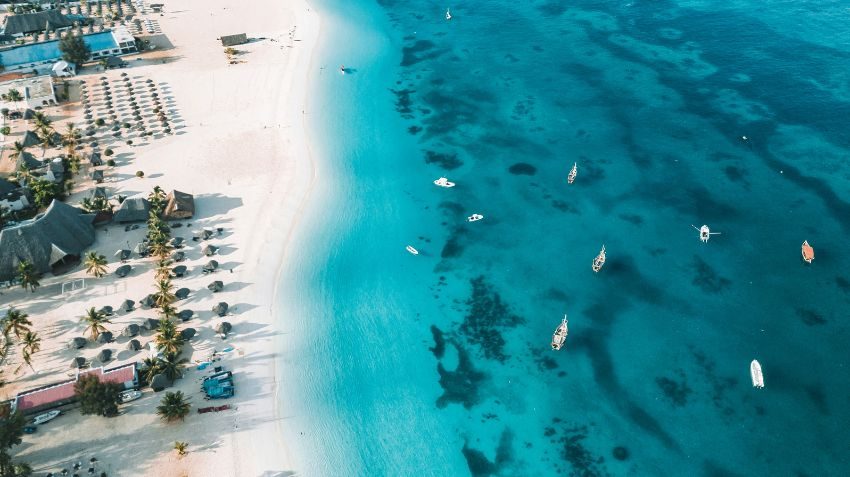
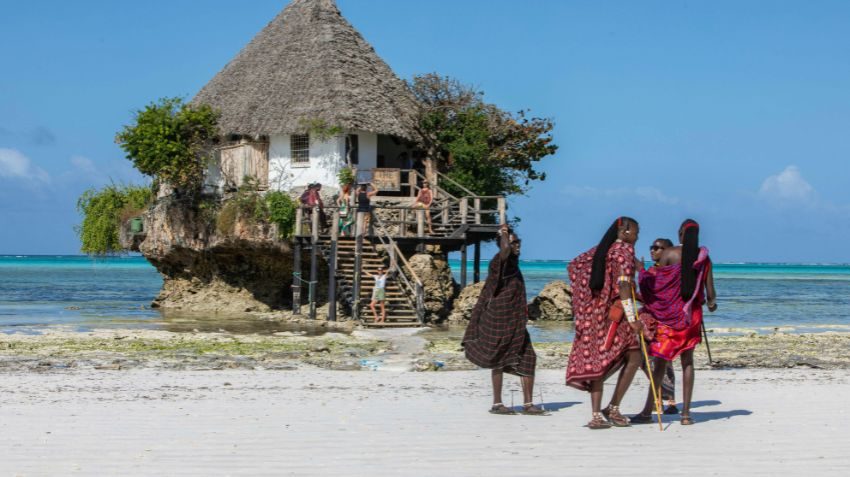
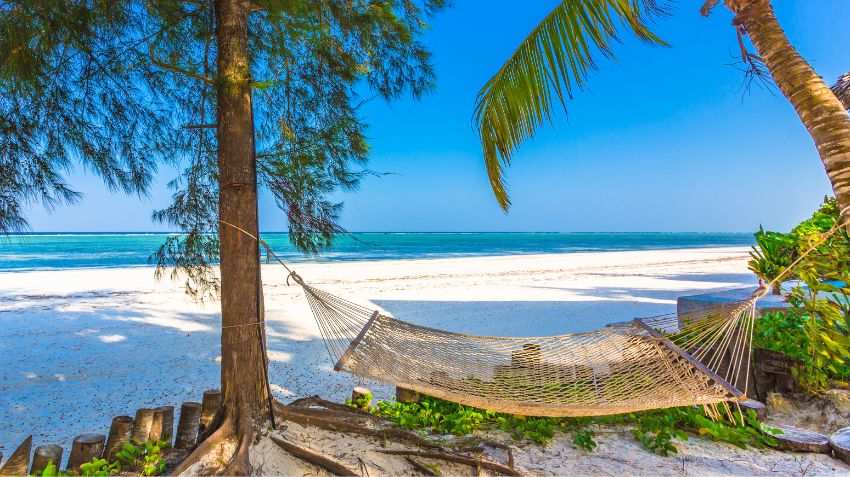
Zanzibar in photos

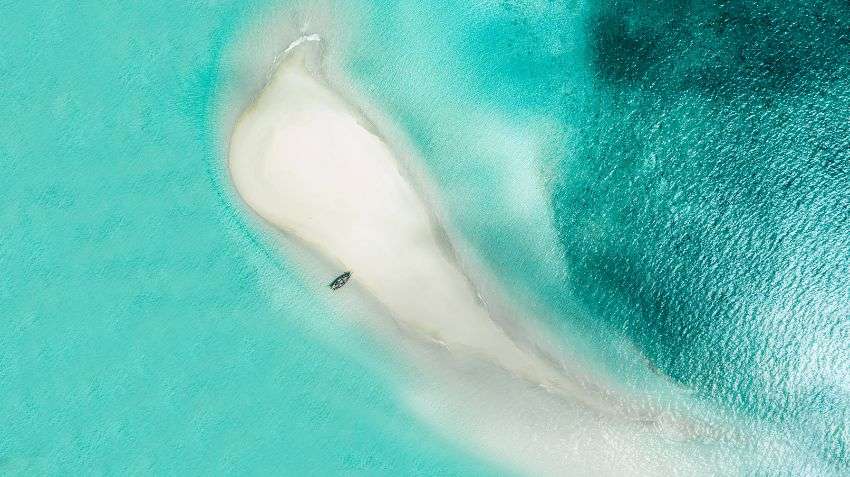
Is Stone Town right for your stay in Zanzibar, or should you head north?
Stone Town suits travelers who want to feel where they are before they relax into it. History, craft shops, spice market visits, boat tours booked through a guesthouse contact – this is the kind of stay that rewards curiosity and mild discomfort with a genuine sense of place. Solo travelers, couples who move between cultural and beach modes, and anyone spending more than five nights on the island tend to find it an essential first chapter.
It is less well-suited to travelers who want immediate sea access, a consistent quiet environment, or resort-level amenities. The streets are uneven, the lanes can disorient, and the heat in July holds in the stone through afternoon in a way that beach breezes at Nungwi or Paje simply do not. Families with young children and travelers prioritizing pool-and-beach routines usually find a north-coast base more practical from day one.
What Zanzibar’s north coast feels like – Nungwi and Kendwa
The north coast is where Zanzibar’s beach identity consolidates. Nungwi sits at the island’s tip with a reef that keeps the water swimmable at low tide – a meaningful practical detail on an island where much of the east coast flats out completely when the tide pulls back. The village behind the beach still functions independently of tourism in the morning; by 10am the beach itself is a different story.
Kendwa, a short walk or tuk-tuk ride west of Nungwi, runs at a slightly lower tempo. Fewer vendors, more independent guesthouses, the same reef access without quite the same concentration of activity. The distinction matters more in July and August when Nungwi is at its fullest, and a quieter guest who picks Kendwa for three nights rather than two at Nungwi often describes it as the better call.
Evenings on the north coast have real warmth to them. Seafood grills, sunset dhow trips that leave around 17:30 and return in the blue hour, restaurants that stay open until midnight on weekends. The atmosphere is social without tipping into resort-package territory, and the reef at sunrise, before the dive boats arrive, has a stillness that the midday version does not.
What the east coast of Zanzibar feels like – Paje, Jambiani and Matemwe
The east coast runs slower. Paje has become the kite-surfing center of the island, and the beach there in July carries a specific crowd: younger, more physically active, meals eaten late, days organized around wind windows rather than sightseeing. The village strip is compact, with a handful of good restaurants, guesthouses that range from basic bandas to design-led boutique properties, and a reef flat that exposes dramatically at low tide.
Jambiani, south of Paje, is quieter still. Fewer visitor-facing businesses, longer stretches of beach with almost no one on them in the morning, a pace that some travelers find peaceful and others find understimulating. It suits slow travelers, couples on longer stays who want to decompress rather than explore, and anyone who has been in East Africa for a few weeks already and genuinely needs a gear shift.
Matemwe, in the northeast, is the east coast option that combines quietness with genuine reef access via Mnemba Atoll, one of the better dive and snorkel sites in the western Indian Ocean. Accommodation here skews boutique and mid-to-upper range. It is a purposeful choice rather than a default one, and it rewards travelers who come with a specific interest in the water rather than a general beach holiday.
How to move between Zanzibar’s areas as a visitor
Getting between Stone Town and the north or east coast is straightforward. Shared dala-dalas – minibuses that fill to their own logic and leave when ready – cover both routes for very little, though journey times to the north coast run around an hour and the east coast closer to ninety minutes depending on stops. Private taxis and transfers cost more and leave when you do. Most guesthouses organize transport on request and quote clearly.
Moving between beach areas, say from Nungwi to Paje, takes longer than the map implies because the road loops through Stone Town rather than crossing the island directly in a single clean line. Travelers planning to stay in two beach zones sometimes find it more efficient to return to Stone Town for a night in between, which also tends to be the more interesting way to structure the middle of a longer trip.
Tuk-tuks cover local hops between accommodation clusters within a beach zone well. Renting a scooter is common among independent travelers and allows the freedom to reach smaller beaches and local markets between the main strips. The roads on the island are mixed in quality, and the road north from Stone Town past Bububu is notably smoother than some of the east coast tracks closer to the shore.
Best time to stay in Zanzibar’s different areas, and how the season shapes each one
July and August are the peak of the long dry season, which runs from June through October. The north coast is fullest during these months – Nungwi and Kendwa at their most active, dive operators fully staffed, restaurants open every evening, sunset dhow trips running daily. The trade winds are consistent, which makes the crossing to Mnemba and the reef conditions reliable for snorkeling and diving.
The east coast in July is windier than the north, which is the whole point for kite-surfers but less appealing for travelers who want flat water and calm afternoons. Paje can be genuinely gusty through midday, and the beach experience there in peak summer is more energetic than the photos suggest. Jambiani and Matemwe read quieter.
Stone Town is less seasonally variable than the coasts. The city exists independently of beach tourism in a way that makes it equally interesting in June and in October. The humidity is real in summer and the lanes hold heat through midday, but the mornings and evenings remain rewarding across the entire dry window. April and May bring the long rains, and a number of smaller coastal guesthouses close or reduce staff during this period – worth checking before booking the east coast in particular.
September is quietly the most comfortable month: dry season still fully in effect, visitor numbers starting to thin, prices beginning to ease, and the north coast beaches noticeably less busy than the July peak. For travelers with flexibility, it is the most balanced window.
Is staying in Zanzibar worth it for your East Africa trip?
Zanzibar works best for travelers who want their East Africa trip to shift gears at the coast rather than end abruptly. Coming off a safari circuit through the Serengeti or the northern parks, the island offers a genuinely different kind of time: slower mornings, water-facing days, evenings that extend into long meals rather than early camp bedtimes. The best areas to stay in Zanzibar for that kind of transition are usually Stone Town for the first two nights, then the north coast, with the east coast reserved for longer stays or second visits.
The island also stands on its own for travelers not on an African circuit at all – a week here organized around Stone Town, reef diving, and one of the quieter east-coast stretches holds up without any safari context. What it is not, at least not on a first trip, is a destination to treat as a single-note beach holiday. The areas are distinct enough that choosing deliberately between them makes a measurable difference to how the week actually feels.
Travelers who arrive in July with three nights or fewer tend to stay north. Those with a week or more tend to move, and they are usually glad they did.
If you are weighing Zanzibar against other Indian Ocean alternatives or longer East African coastal stays, the distance between what the island’s different zones offer is one of its most underestimated qualities.
Zanzibar areas to stay FAQ: Stone Town, north coast, east coast, best time and trip structure
1. Which area of Zanzibar is best for a first visit?
Stone Town suits first-timers who want to understand the island before committing to a beach. Two nights there followed by three or four on the north or east coast is the most naturally rewarding sequence, and it avoids the flat feeling of going straight to a resort and staying put.
2. Is Nungwi or Paje better for staying in Zanzibar?
Nungwi has a fuller reef, more restaurant choice, and a livelier evening atmosphere; Paje runs slower, draws a younger kite-surfing crowd, and tends to be noticeably quieter in July and August. The east coast in general suits travelers who want longer stretches of unstructured time.
3. What is Stone Town like to stay in?
Stone Town is dense, atmospheric, and genuinely walkable in a way the beach areas are not. The coral-stone lanes are narrow, mornings smell of cloves and coffee, and the architecture ranges from carved wooden doors to rooftop terraces that catch the harbor breeze. It is not a quiet stay, but it is a contextually rich one.
4. When is the best time to visit Zanzibar?
The long dry season runs from June through October, with July and August bringing the highest visitor activity on the north coast. June and September offer the same clear-sky conditions with noticeably fewer people. The long rains fall in April and May, when some smaller properties close.
5. Can you stay in different areas across a single Zanzibar trip?
Moving between Stone Town, the north and the east coast in one trip is very practical and rewards planning. Stone Town as a landing base, north coast for reef swimming and evenings, and east coast for a slower final stretch is a rhythm that works especially well in July and August, when you can feel how differently each area holds the season.