
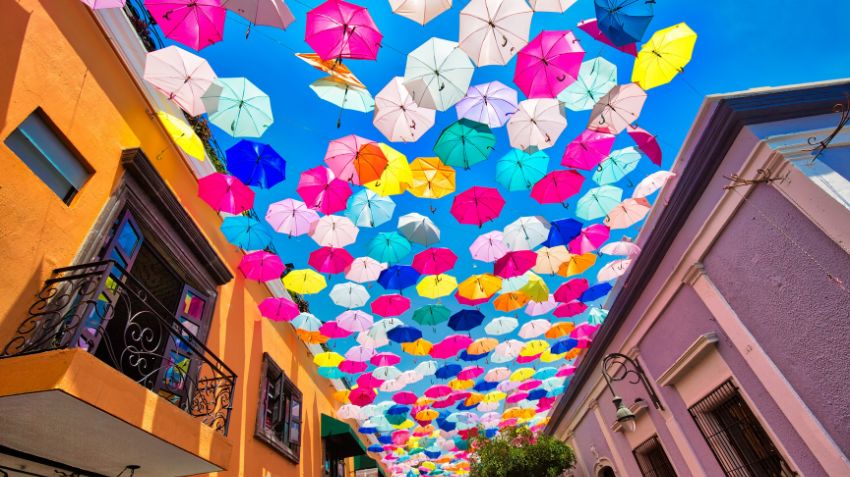
Mexico City and Guadalajara reveal two completely different versions of urban Mexico. Mexico City stretches late into the night through Roma Norte restaurants and neighborhoods that feel like cities of their own. Guadalajara concentrates its energy around lively avenues before settling into a more intimate, residential rhythm.
Both offer exceptional food, architecture and culture, but at very different scales. The real choice is whether you want to disappear into a megalopolis or understand a city quickly enough to feel part of it.
What Mexico City and Guadalajara feel like for first-time visitors to Mexico
Mexico City operates at a scale that takes a few days to calibrate. The neighborhoods are large, the metro covers a real range of the city, and the cultural offering – museums, markets, architecture, food – is dense enough that you can structure a ten-day trip around it without repeating yourself.
Condesa and Roma are the areas most first-time visitors orient around: tree-lined, walkable, full of small restaurants and coffee shops where mornings genuinely stretch into late breakfasts. The Zócalo and Centro Histórico sit at a different register entirely – louder, more concentrated with street life, slower to navigate on foot in the middle of the day.
Guadalajara is easier to hold in the mind. The historic centre, Chapultepec and Tlaquepaque cover most of what draws people here, and none of them are far from each other. The birria culture is not incidental – it anchors the food day in a way that a bowl somewhere around 10:00 near Mercado San Juan de Dios tends to become a ritual by day two. The city has a late-afternoon quality where the residential streets around Colonia Americana quiet down and the Chapultepec strip starts gathering pace, which is a pleasant rhythm to fall into.
Where Mexico City asks you to choose what to prioritize – there is more than a week’s worth of things to decide between – Guadalajara makes the decisions easier. That is either a relief or a limitation depending on what you came for.
Mexico City and Guadalajara in photos
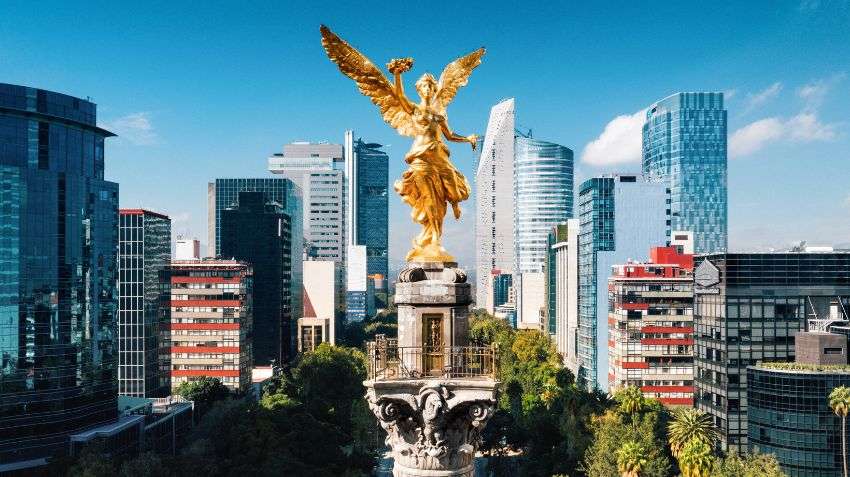
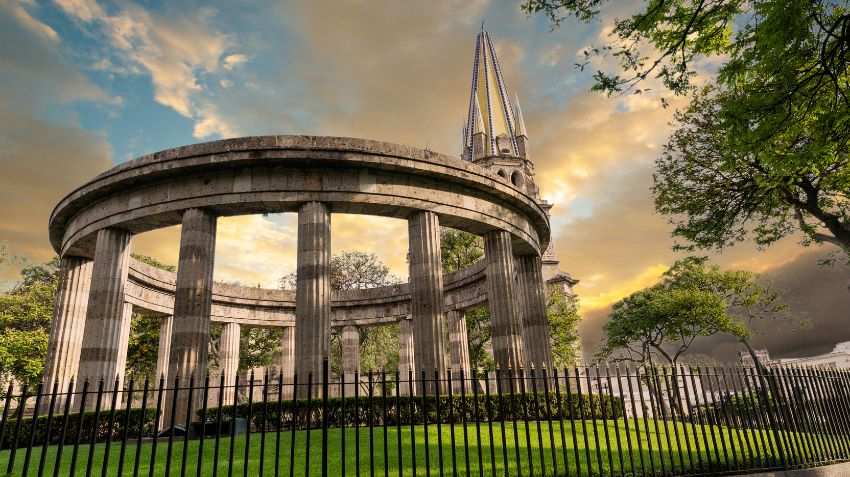
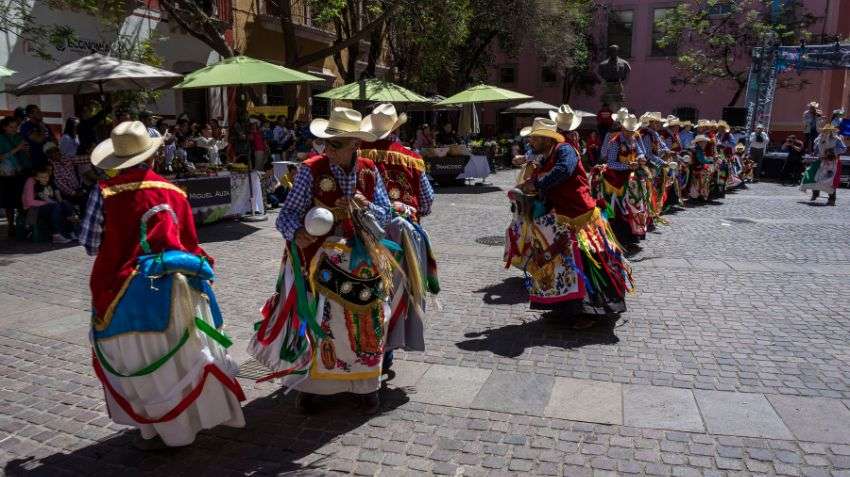
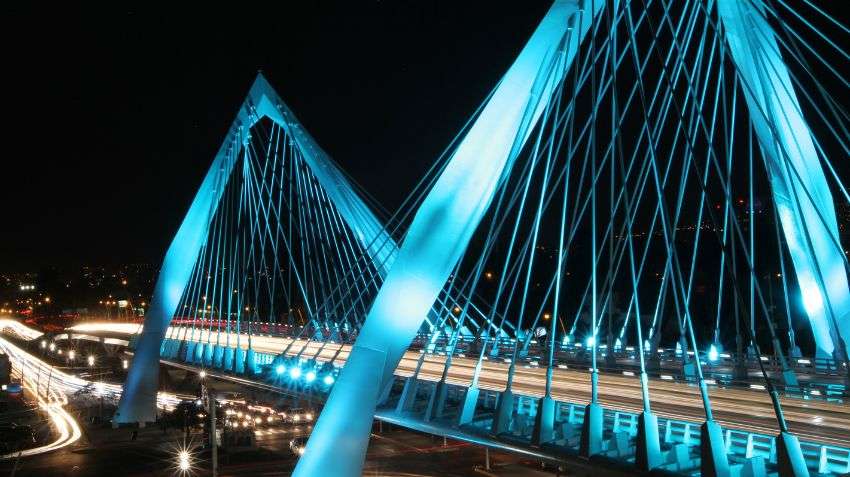

Mexico City or Guadalajara: which city suits your travel style?
Mexico City works best for travelers who want range. The solo traveler who wants to spend a morning in Xochimilco and an afternoon in Coyoacán and an evening in Polanco is in the right place. Remote workers who want a city that operates on a flexible urban schedule – cafes open and good in the morning, evening culture that runs late – will find the Roma and Condesa neighborhoods structured almost perfectly around that. It also suits travelers who want to feel inside something large and historically dense, not just passing through.
Guadalajara fits a different shape. Couples who want a city that feels alive but not relentless; travelers who want a base for exploring the surrounding region rather than a place that demands full attention on its own terms; anyone who finds that Mexico City’s scale tips toward more city than they wanted. It also suits travelers planning to go deeper into Jalisco – Tequila, Lake Chapala, Tlaquepaque as a craft destination – rather than using a city as the entire purpose of the trip.
The traveler for whom neither fits well is the one who wants beaches, coastal ease, or a slow-small-town pace. Both cities are urban, inland and moving at a Mexican metropolitan tempo that does not really slow down. For that register, the Cancún coastal guide offers a very different orientation for a Mexico trip.
How to visit Mexico City and Guadalajara on the same trip
The flight between the two cities runs just under an hour and operates frequently, which makes combining them on one trip straightforward. The natural sequence is Mexico City first, Guadalajara second: the scale shift from large to more manageable follows a logic the body tends to appreciate by the end of a first week.
In Mexico City, staying in Roma Norte or Condesa gives you the walking structure to not need the metro for daily life, though the metro is useful for reaching the Zócalo or getting across town efficiently. The city rewards at least five or six days – three days is enough to orient and exhaust the major draws, but not enough to settle into the neighborhood rhythm that makes Mexico City feel different from just checking off a capital.
In Guadalajara, three to four days is usually enough. Two days in the city proper – the historic centre, Chapultepec, a morning in Mercado Libertad – and one day in Tlaquepaque or on the road toward Tequila covers the main shape without overstaying. The birria lunch hour and the evening Chapultepec atmosphere are worth repeating rather than rushing past on a single afternoon.
Travelers arriving from the north or adding a coastal leg often sequence Guadalajara before Mexico City, which also works. The Cancún coastal experience and the Mexico City urban rhythm read as complementary ends of a Mexico trip rather than overlapping versions of the same thing – the Cancún first-time guide covers that coastal end of the decision if the full trip is still being shaped.
Day trips and nearby stops from Mexico City and Guadalajara
Mexico City’s day-trip range is unusually strong. Teotihuacán sits close enough to visit in a half-day without rushing. Puebla rewards a full day or an overnight if ceramics, mole and colonial architecture are the draw. Oaxaca is technically further but frequent buses and short flights make it a realistic extension for anyone with ten days or more in the country.
Guadalajara’s surrounding options have a different character. Tequila to the west is a direct bus ride and works well as a single day if you want the distillery landscape rather than a tasting-room tour. Lake Chapala and the smaller town of Ajijic offer a quieter half-day in the lakeside direction, though the attraction there is more atmosphere than activity.
Tlaquepaque, now essentially absorbed into Guadalajara’s spread, is best visited in the morning before the ceramic and craft markets get crowded toward midday. Travelers who want to go further into Jalisco or toward the Pacific coast tend to use Guadalajara as a staging city rather than a destination on its own terms.
Should you choose Mexico City or Guadalajara for your Mexico trip?
The choice between Mexico City and Guadalajara usually resolves once you identify how much city you actually want and what you plan to do around it. Mexico City is the right choice if the city itself is the journey – the food, the art, the weight of a place that has been a capital for centuries, the neighborhood character that takes time to find. Guadalajara is the right choice if you want urban energy in a frame you can hold without effort, and a base that opens naturally into the surrounding Jalisco landscape.
In summer, both cities are at their most alive in the evening hours, and both reward a slower midday. Mexico City’s evening rhythm runs later and denser; Guadalajara’s concentrates on a shorter stretch and quiets earlier. Neither is more or less worth the trip – they are different instruments playing different parts of the same country, and most travelers who visit both end up feeling they needed both registers to understand what Mexico as a whole is doing.
Mexico City vs Guadalajara FAQ: first visit, transport, remote work, summer pacing and combining both cities
1. Is Mexico City or Guadalajara better for a first visit to Mexico?
Mexico City suits travelers who want density, range and a city they can explore for a week or more without running out of layers. Guadalajara works better if you prefer a more manageable scale, a relaxed evening culture and a base for nearby towns like Tlaquepaque and Tequila.
2. How far is Guadalajara from Mexico City and how do you get there?
The two cities are roughly 550 km apart. Flights take around an hour and are frequent throughout the day, making them easy to combine on one trip. The bus journey is considerably longer and suits travelers who prefer not to fly between legs.
3. Which city is better for remote workers, Mexico City or Guadalajara?
Mexico City, particularly the Roma and Condesa neighborhoods, has a well-established infrastructure for remote work with many cafes, coworking spaces and a reliable expat community. Guadalajara is growing in this direction but still feels more like a city you visit than one you base a working month in.
4. What is the summer atmosphere like in each city?
Summer in both cities is warm but not coastal-hot, given the altitude. Afternoon rain showers are common and usually pass quickly. Mexico City stays busy and fast-moving through the season; Guadalajara slows toward a late-afternoon and evening rhythm that suits the heat well.
5. Can you visit both Mexico City and Guadalajara on the same trip?
Yes, and many travelers do. A week or more in Mexico City followed by three or four days in Guadalajara is a natural sequence, with a short flight between them. The contrast in scale and tempo makes the pairing feel balanced rather than repetitive.