
Crete is not one destination and choosing the wrong base can mean missing the version of the island you came to experience. The north and south coasts move at different rhythms, old towns feel worlds apart from beach resorts, and each major area creates a distinct trip.
In summer, Chania’s harbour comes alive by morning, Heraklion keeps its urban energy, the south coast remains beautifully unhurried, and Rethymno’s old town glows after sunset. This guide compares the best areas to stay in Crete, who each one suits and where to base yourself for the days you actually want.
What Crete’s main areas feel like for visitors arriving in summer
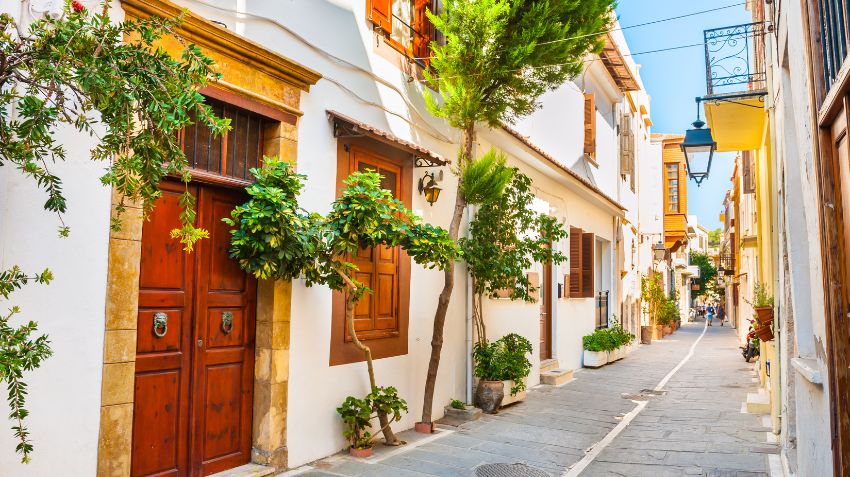
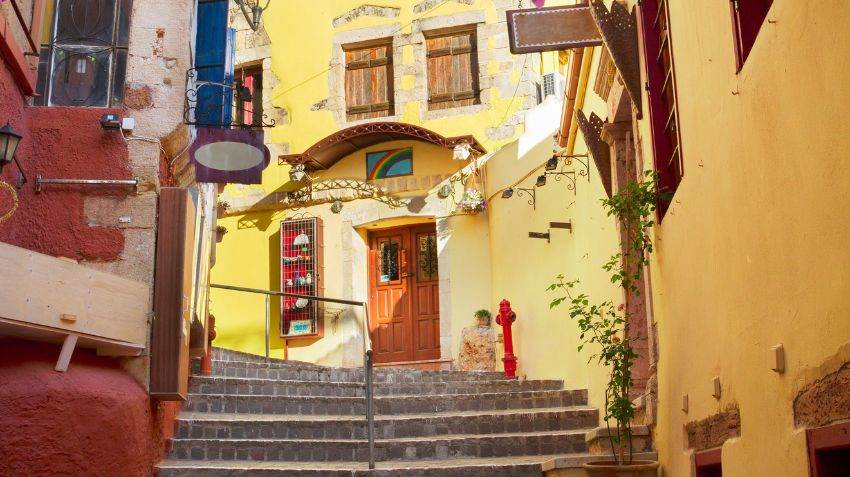
Chania old town is the most atmospheric base on the island. The Venetian harbour curves around a working lighthouse, the lanes behind it narrow quickly into residential streets, and the sound of the place changes completely two blocks from the waterfront – quieter, residential, cats on windowsills. Morning coffee on the harbour side before 09:00 is one of the genuinely calm moments the town offers before the day builds toward its midday intensity.
Heraklion reads more like a city than a resort. It has a functioning urban core, a covered market, a Venetian fortress at the port, and the Archaeological Museum of Heraklion – one of the most significant collections of Minoan art anywhere. It is not a relaxation base by character; it is a base for people who want to move efficiently across the island, reach Knossos without spending half a morning in a car, and eat well in the evening at a place that isn’t aimed at tourists.
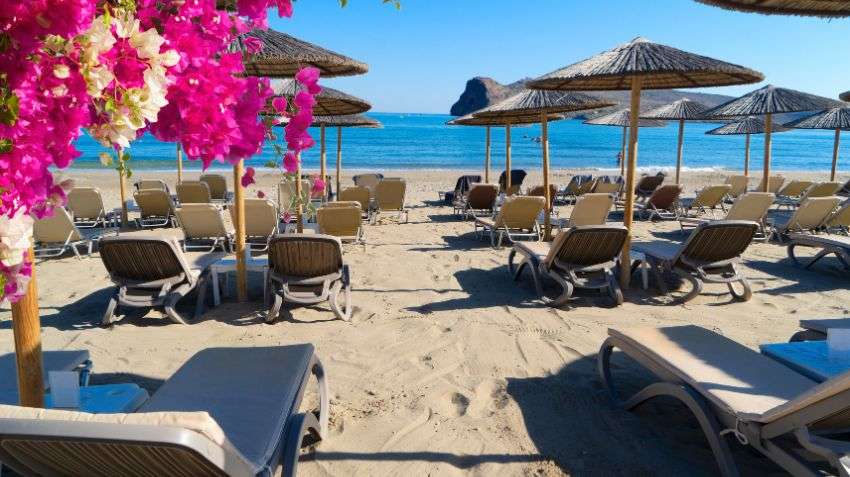
Rethymno sits between the two and shares something of both. Its old town is smaller than Chania’s but has a lighthouse, a Venetian loggia, and a long sandy beach that starts just east of the fortress. The pace there is slower than Heraklion and less visited than Chania, which suits travelers who want an authentic old town experience without the full peak-summer volume.
Crete in photos
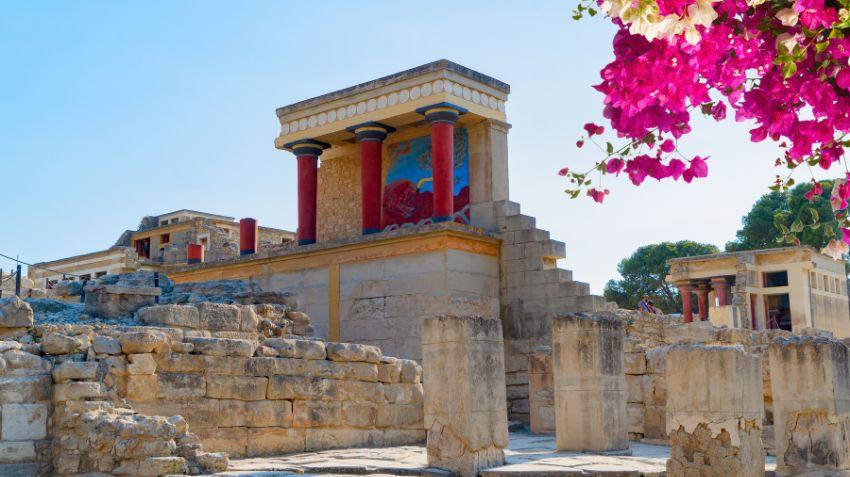
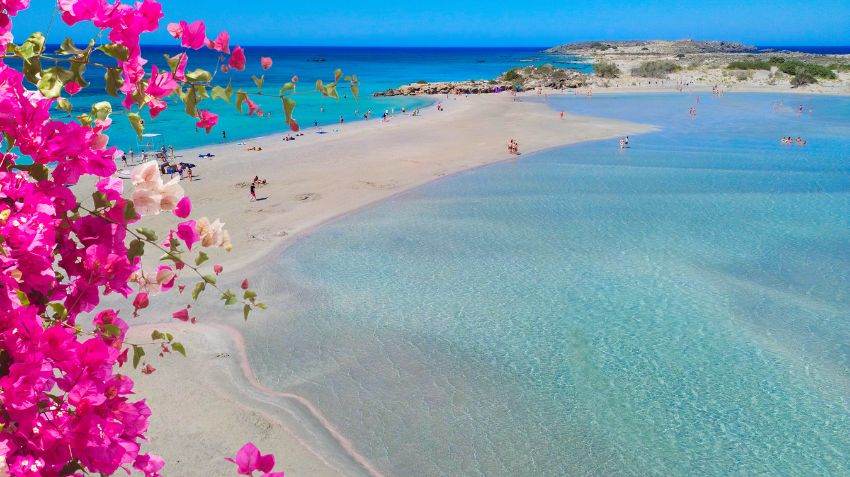
Is Crete the right base for your travel style, and which area fits?
Chania works best for travelers who want an atmospheric base with good access to western beaches – Balos, Elafonisi, Falassarna – and don’t mind that getting anywhere requires either renting a car or joining an organized day trip. It is a strong first-visit base, a strong couple’s base, and a reasonable slow-travel base if you settle into the old town rather than the beach hotel strip to the east. What it does less well: it is genuinely busy in July and August, and the most-photographed corners of the harbour can feel like a corridor by midday.
Heraklion suits travelers who want urban texture, efficient access to sites, and less interest in a scenic old-town atmosphere. Remote workers who need reliable infrastructure and don’t prioritize the resort side of Crete tend to land here and stay longer than they planned.
Solo travelers doing Crete as part of a wider Greece trip often use it as a transit base – fly in, see Knossos and the museum, move on toward the other islands. If the comparison between Heraklion and Rhodes Town as island city bases is relevant to your planning, the Rhodes Town or Heraklion area comparison covers the trade-offs directly.
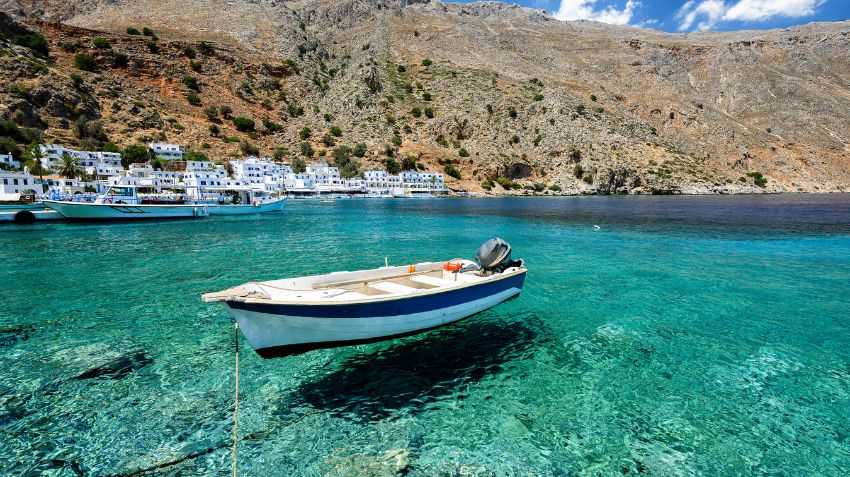
The south coast – Plakias, Agia Galini, Paleochora – suits travelers who want the island at a genuinely slower pace. No large hotel complexes, longer afternoons, a sea that feels less trafficked. It is a separate kind of trip from the north coast, and it works best as a primary destination rather than a secondary stop. Getting there by bus from the north takes time; a car makes the south coast feel like a different country rather than a difficult detour.
How to move around Crete and choose a base that actually works logistically
The island is long from west to east – Chania to Heraklion is roughly 145 km along the north coast highway, about 90 minutes by car. KTEL intercity buses cover this route reliably and cheaply, running frequently enough that a car is not essential for traveling between the main towns. Where a car becomes useful, and in summer nearly necessary, is for the beach routes that don’t sit on the main highway – Elafonisi from Chania, Balos, the Lasithi Plateau, the south coast generally.
Heraklion’s airport is the main entry point for most international visitors. Chania has its own airport, smaller and served primarily by European charter and low-cost routes in summer. If you’re arriving at Heraklion but want to base in Chania, the bus from the airport into Heraklion bus station and then west along the north coast is straightforward; the journey takes about two hours total.
Elounda and the Lasithi area in the east are worth mentioning separately. Elounda has a quieter character and a different social register from Chania – it is the end of the island where larger resort hotels concentrate, but also where the sea in the sheltered gulf is calm almost every day. For travelers whose priority is the water rather than the old towns, the east makes more sense than it initially appears on a map shaped around Chania and Heraklion.
South coast access and pacing
The south coast sits over the White Mountains, and the roads down there are part of the experience – narrow, winding, arriving at a sea that feels earned. Plakias is the most accessible and has a reasonable range of accommodation and tavernas without being a resort town. Paleochora, further west, is more self-contained and has a loyal slower-travel following. Neither is a day trip; they are bases.
Where Crete sits alongside other Greek islands and what to explore from here
Crete is large enough to be a self-contained trip rather than a node in an island-hopping sequence. Most travelers who come for a week or more choose a base or two and explore from there rather than trying to cover the island end to end, which would require more driving than most people want. A two-base structure – Chania for the west, Heraklion for the east and the sites – is a reasonable way to see the island’s full range in ten days.
Travelers finishing Crete and continuing through Greece sometimes move toward the Cyclades or the Dodecanese. Thassos, in the north Aegean, runs a different kind of rhythm – forested, quieter by character, more suited to travelers who want the Greek island experience with less tourist infrastructure and a slower pace. The Thassos area guide covers where to base there and how the island’s neighborhoods sit relative to each other.
For travelers who want a smaller Greek island with a cleaner, calmer beach profile – a contrast to Crete’s scale – the digital detox read covering quieter Greek island beaches is worth a look before choosing a next stop. The Greek island beaches for digital detox covers the islands that work best when the priority is genuinely switching off.
Is Crete worth it as a summer base, and which area should you choose?
Crete in summer rewards travelers who commit to one or two areas rather than trying to cover the whole island in a week. Chania is the most immediately rewarding base for atmosphere and western beach access. Heraklion suits people who want urban functionality, the Minoan sites, and efficient movement. Rethymno is the quieter middle ground. The south coast is a category of its own – slower, more elemental, best suited to travelers who genuinely want to slow down rather than use the island as a checklist.
The best areas to stay in Crete ultimately depend less on which town is most scenic and more on how you want the day to feel by 16:00 – on a highway toward a western beach, in a museum, at a harbour table with a second coffee, or watching the sea on the south side of the mountains where the tourist rhythm of the north coast doesn’t quite reach.
Summer is the fullest version of the island. It is also the version that requires the most intentional choice about base. September and October offer nearly the same warmth with a noticeably different energy – old town lanes feel like they belong to the town again, and the south coast in particular extends its season well into autumn.
Continue exploring similar destinations and traveler-fit reads across the Greek islands to see how Crete compares in rhythm, pacing, and seasonal fit.
Travelers weighing Crete against other Greek island bases often find the comparison between island city atmospheres useful before committing to a booking. The Rhodes Town or Heraklion comparison sits directly on that decision.
For a quieter, more forested island character as a contrast or follow-on, the Thassos area guide covers the northern Aegean alternative.
Best areas to stay in Crete FAQ: first visit, Chania vs Heraklion, south coast, timing and slow travel fit
1. What is the best area to stay in Crete for a first visit?
Chania old town is the most rewarding base for a first visit – its Venetian harbour is walkable, the evening atmosphere along the waterfront carries a genuine warmth, and it gives easy access to the western beaches and the Samaria Gorge. Heraklion suits travelers who want to anchor near the airport and Knossos without losing time to transfers.
2. Is Heraklion or Chania better for staying in Crete?
Chania moves at a slower pace and has a more atmospheric old town, while Heraklion is larger, more urban, and better positioned for day trips to the Minoan sites and the eastern part of the island. The choice often comes down to whether you want to spend more time inside the city or more time on the road.
3. Where should slow travelers or remote workers stay in Crete?
Rethymno suits slow travelers well – it sits between Chania and Heraklion, has a compact old town with a reliable cafe culture, and the pace there rarely feels rushed. The south coast villages around Plakias or Paleochora work well for longer stays if complete quiet and direct sea access matter more than urban rhythm.
4. When is the best time to visit Crete and stay in the old towns?
May, June and September are the most comfortable months – old town lanes and harbour promenades are active without reaching their July-August peak, most restaurants and accommodation are fully open, and the evening light sits on the water in a way that makes it easy to stay out later than planned. October still works well for the south coast and hill villages.
5. Is the south coast of Crete worth staying at instead of the north?
The south coast – Plakias, Agia Galini, Paleochora – runs at a noticeably different pace from the north: fewer large hotels, longer afternoons, a quieter sea that arrives over mountain roads. It suits travelers who want a week that genuinely slows down rather than a base for island-wide exploration, and the sense of arrival there – after the road drops down from the White Mountains – stays with most people.