
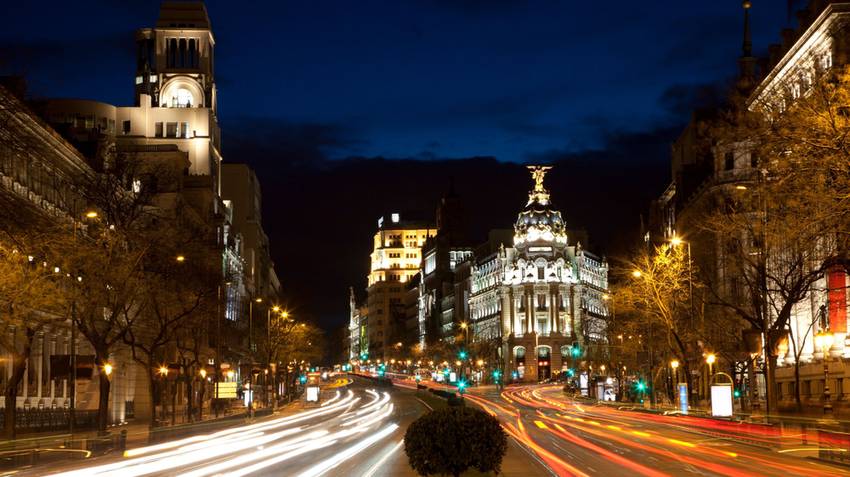
Madrid in early summer settles into its rhythm around the early evening, when the light goes flat and golden and the terraces fill as if on a quiet signal. The city has a confidence to it that is hard to name at first but easy to feel after a day of walking. Choosing the best areas to stay in Madrid for first-time visitors is less about proximity to sights and more about which kind of daily rhythm you want to come back to at the end of a long afternoon.
The central neighbourhoods are close enough to each other that the distance between a different neighborhood choices is rarely more than a metro stop. But the feel of each area shifts considerably. Staying in Sol means waking up inside the city’s activity of the city’s commercial spine. Staying in Malasaña means a slower morning and a later night. Salamanca means wide pavements and a quieter walk home. These differences sound small on a map and register strongly by the third day.
What follows is not a ranked list. It is a neighbourhood-by-neighbourhood read on atmosphere, pacing, and fit, written for someone arriving in Madrid for the first time and trying to understand the city before committing to a postcode.
Travelers who are still deciding whether Madrid itself fits their trip can start with the Madrid first-time guide before narrowing the decision down to individual neighborhoods.
Sol and Gran Vía: the centre, in all its energy
Puerta del Sol is where the city converges. The metro lines cross here, the main pedestrian axes start here, and the visitor activity is highest here. For a first visit, that is simultaneously its most obvious advantage and its most defining characteristic.
Gran Vía running northwest from Sol is lined with wide pavements, theatre marquees, and a steady crowd from around 11:00 until well past midnight. The major sights are within easy walking distance: the Prado, the Reina Sofía, the Retiro, and the Thyssen are all reachable without using the metro at all. If you want to minimise transit planning on a short trip, nothing matches the geometry of this area.
The defining characteristic is the evening activity. Streets directly off Gran Vía stay active until 02:00 or later. The pedestrian volume peaks in the early evening and stays high. Hotels in this zone tend to be busy in the lobby and more active at night than their star ratings suggest. First-time visitors who are travelling light and plan to use the city hard for three to four days often find this works precisely because they are moving all day and barely in the room. For anyone who prefers quieter evenings it is worth looking one or two blocks further.
Malasaña and Chueca: the two adjacent neighbourhoods that feel different
Malasaña sits just north of Gran Vía and has a different texture from the moment you arrive. The streets are narrower, the buildings shorter, the cafés more individual. Morning here is slow: small places selling decent coffee, no rush, a few people reading. By evening the neighbourhood shifts into a loose but lively rhythm around the bars of the Dos de Mayo square.
For first-time visitors who want proximity to the centre without the corridor activity of Sol, Malasaña tends to land well. The metro is close (Tribunal or Noviciado on Line 2), the walk to Gran Vía takes about ten minutes, and the area has enough independent restaurants and late-night bars that you can spend an entire evening without leaving the neighbourhood at all.
Chueca, directly east of Malasaña, is more socially outward-facing. The terraces are busier, the street scene more consistently animated from late afternoon through midnight, and the area has a energy that feels easy to read even on a first evening. The two neighbourhoods share a border but not a pace. Malasaña rewards people who like to settle slowly; Chueca works better for those who want to step outside and immediately be inside the city’s social rhythm.
Travelers who find themselves wanting more than Madrid’s centre offers, or who are already considering a smaller Spanish city after finishing here, sometimes arrive at a similar question after a few days: is this the right scale for how I want to move? The Seville first-time fit read covers what changes when the city is smaller and slower.
Lavapiés: the most genuinely mixed part of the centre
Lavapiés sits south of the Rastro market zone and carries a different social register from the neighbourhoods above. It is denser, more mixed in use (workshops, small restaurants, art spaces, residential blocks), and less polished in its street-level presentation. The slope is real: the neighbourhood descends unevenly from the flat central grid, and the cobbled streets make it noticeable over a day of walking.
Late afternoon in Lavapiés has its own kind of quiet – a softer light on the brick facades, conversation drifting from the doorways, the day slowly turning toward dinner. It is one of the places in Madrid that still feels like it belongs to the people who live there, which is part of why it appeals to a certain kind of first-time visitor and reads as unexpected or unconventional to another.
In practical terms: accommodation here tends to be cheaper, the metro connection at Lavapiés station (Line 3) is straightforward, and the Reina Sofía is close enough to walk. But the neighbourhood is prioritizes character over convenience, and the uneven terrain with luggage is worth considering on arrival day. It works best for first-time visitors who are comfortable navigating a city at street level rather than from a well-lit hotel lobby.
Salamanca: for visitors who want a quieter base
Salamanca is the neighbourhood that functions as the quietest central option without actually requiring a change in location quality. The streets are wide and grid-planned, the foot traffic is lighter, and the overall atmosphere is more residential than anywhere else in this part of the city.
It costs more, consistently. Hotels and apartments here run higher than comparable sizes in Malasaña or Sol, and the neighbourhood’s main commercial drag (Calle Serrano) is oriented toward a different kind of spending. But the value for first-time visitors is not about shopping, it is about being able to return to a calm street at 22:00 and feel the city recede slightly.
The metro connection is good (Serrano or Retiro on Line 4), the Retiro park is a short walk away, and the neighbourhood’s grid logic makes it easy to navigate without a map after a day. Visitors who are prefer quieter surroundings, travelling as a couple or in a small family, or simply prefer to have some psychological separation from the busiest zones tend to find Salamanca performs above its reputation.
Visitors who discover they care more about neighborhood feel than attraction density often find the Barcelona neighborhood guide useful for understanding how a different Spanish city organizes itself at district level.
La Latina: older fabric, slower pace, better evenings
La Latina sits southwest of Sol and carries a different kind of age. The streets follow a medieval layout, the blocks are irregular, and the neighbourhood’s density of traditional bars and tabernas per square meter is higher than most of the city. Sunday morning, when the Rastro market fills the streets between La Latina and Lavapiés, is one of the few times the area becomes operates at its highest activity levels.
For first-time visitors, La Latina works well as a base if the priority is spending evenings in a neighbourhood with texture and a local rhythm rather than proximity to high-traffic sights. The main concentration of evening activity around the Cava Baja and Cava Alta streets is within walking distance of the Royal Palace and the Almudena Cathedral, so the sightseeing radius is reasonable.
The area is also worth flagging for another characteristic worth understanding: it is not the easiest neighbourhood to navigate by luggage on arrival (narrow streets, irregular surfaces), and the Sunday market crowds make that morning in particular one to plan around rather than ignore.
How to think about the choice
Most first-time visitors to Madrid spend more time thinking about which sights to see than about which neighbourhood fits their rhythm. The city’s central area is compact enough that the sights are reachable from almost anywhere, so the neighbourhood decision is really a question about daily texture.
A few patterns that tend to hold across different traveler types:
- Short visit (2-3 days), maximum mobility: Sol or Gran Vía adjacency. Accept the noise, use the geometry.
- Four to six days, wanting to slow down by day three: Malasaña or Chueca. Close enough to everything, but with an evening pace that feels less like a transit corridor.
- Longer stay, light sleeper, or travelling with a partner who needs quiet: Salamanca. Pays a premium but returns calm.
- Comfortable navigating independently, interested in the city at ground level: Lavapiés or La Latina. Cheaper, more textured, more specific in traveler fit.
The areas that tend to feel different from expectations first-time visitors are not the wrong choices – they are the right choices made without knowing what they come with. Sol is not a bad base; it is a very specific one. Knowing the texture in advance changes the experience considerably.
The same question often appears at city level rather than neighborhood level. The Madrid versus Barcelona guide explores how the two cities differ in pace, daily structure, and traveler fit.
Travelers who are comparing Madrid’s scale against other Spanish cities before deciding where to anchor often find the Madrid vs. Seville city comparison useful at exactly this point in the planning process.
What June and summer change about the neighbourhood picture
Madrid in June is a city that extends its day. Dinner at 22:00 is normal rather than late, terraces stay open until 01:00 or beyond, and the evening hours carry a social energy that the rest of the year does not fully replicate. The long evenings are part of what makes a first visit in early summer feel generous with time.
Travelers building a broader Spain itinerary often notice how differently summer behaves across the country. The Valencia first-time guide offers a useful comparison point for a coastal city operating at a slower summer pace.
The afternoon warmth becomes more noticeable through the afternoon in the stone-paved central areas, particularly around Sol and Gran Vía where there is little shade and the streets face south or run east-west without tree cover. By mid-afternoon on a hot June day, the practical instinct to stop moving is the city’s own invitation to sit down for a few hours, which fits the local rhythm anyway.
Salamanca, with its wider streets and tree-lined avenues like Castellana, holds the afternoon slightly more comfortably than the narrow centre. Lavapiés, being denser and hillier, can feel more active in the heat. Malasaña and Chueca are variable depending on the specific street – the main squares get full sun, but the residential blocks around them cool faster after sunset.
The neighbourhood that benefits most from summer is probably La Latina, whose evening street culture between 21:00 and midnight is at its best when the temperature allows people to stand outside long after dinner has finished.
Finding the right base before you arrive
The best areas to stay in Madrid for first-time visitors are not a fixed ranking. They are a function of how many days you have, how much evening activity level you enjoy, how much you will rely on walking versus the metro, and what kind of evening you want to end up inside.
Madrid is generous enough as a city that most central choices work. The differences between Malasaña and Sol become legible quickly once you are on the ground, and they are not difficult to navigate around even if the first booking was not fully aligned with your preferences. What the city rewards is arriving with some understanding of its rhythms rather than treating it as a backdrop for a list of sights.
A first visit here tends to leave people with a specific neighbourhood they want to return to rather than a general impression of Madrid as a whole. That specificity is worth pursuing from the start.
For travelers planning to continue beyond the capital, the Spain city circuit guide shows how Madrid fits alongside Barcelona, Seville, and Valencia within a longer trip.
If you are still weighing Madrid against Barcelona before deciding where to spend your first trip to Spain, the Barcelona first-time fit read covers the city’s neighbourhood logic at the same level of detail, including where the two cities diverge in pace and daily rhythm.
Common questions about staying in Madrid for the first time
1. Which area of Madrid is best for first-time visitors who want to walk everywhere?
Sol and the surrounding streets give the shortest walking radius to most major sights, and the metro is always within a few minutes if you need it. The main difference is evening activity: the neighbourhood stays active late, so light sleepers tend to do better on a quieter street one or two blocks off the main axis.
2. Is Malasaña or Chueca better for a first visit to Madrid?
Both sit close enough that the choice comes down to rhythm. Malasaña runs on a creative, slightly irregular pace with independent cafés and later nights; Chueca is more socially outward-facing, with busier terraces and a consistently animated evening street scene. First-timers who want energy and ease tend to find Chueca more immediately readable on arrival.
3. Where should first-time visitors stay in Madrid if they want a quieter base?
Salamanca is the most consistently calm option in a central location. Streets are wide, foot traffic is lighter than in Sol or Malasaña, and the neighbourhood has a slower residential rhythm that makes it easier to slow down after a full day. It costs more on average, but the difference registers clearly by the second evening.
4. How far is Madrid Barajas airport from the main staying areas?
Metro Line 8 reaches the city centre in around 30 to 40 minutes, though it requires a supplement ticket at the airport end. Cercanías trains run a similar journey time and are often less crowded. Either option lands you close to Sol, Malasaña, and Chueca without needing a taxi, and the evening arrival experience along either route is straightforward even with luggage.
5. What is the best time of year for a first visit to Madrid?
Late spring and early autumn are when the city is most naturally aligned to navigate on foot, with long evenings and terrace culture in full motion. Summer works well for travelers who want to experience Madrid’s social energy at its highest – the city’s rhythm of late dinners, open squares, and unhurried evenings is at its most characteristic between June and September.