
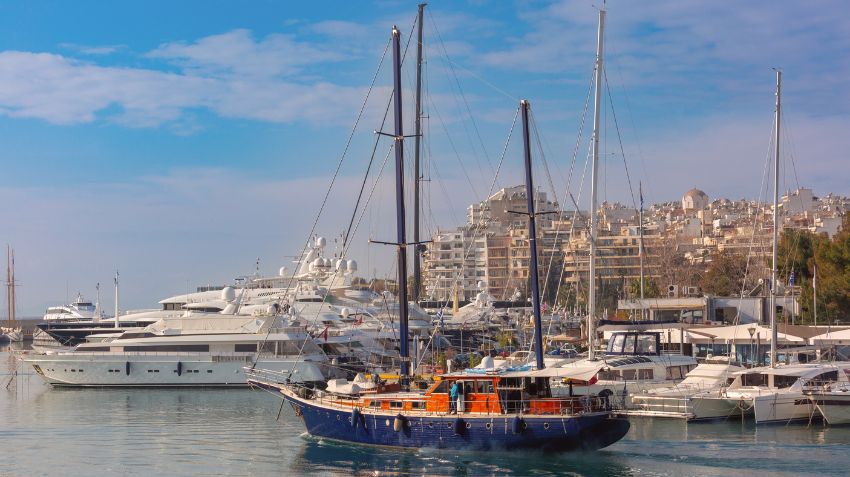
The decision between Piraeus and Athens as a base is more specific than it first sounds. Both are part of the same urban fabric, connected by a direct metro line, and separated by less than 10 kilometres. But they feel like different cities at ground level, and for a first visit to Greece, where you sleep shapes how the first 48 hours unfold.
The Piraeus or Athens question comes down to why you are going and when you are moving. Athens is a city you stay in to experience; Piraeus is a city you stay in to depart from, or to eat by the water without the visitor activity of the old town. Getting that distinction clear before you book removes a lot of unnecessary second-guessing.
Both have their pull. Piraeus harbour on a summer evening, with the light dropping behind the boats and the restaurants filling along Mikrolimano, has a genuinely easy rhythm that central Athens at peak season does not always offer. But Athens has the Acropolis, the neighbourhoods, the late-night cafes, and the social energy of a real Mediterranean capital. The question is which one you need, not which one is better.
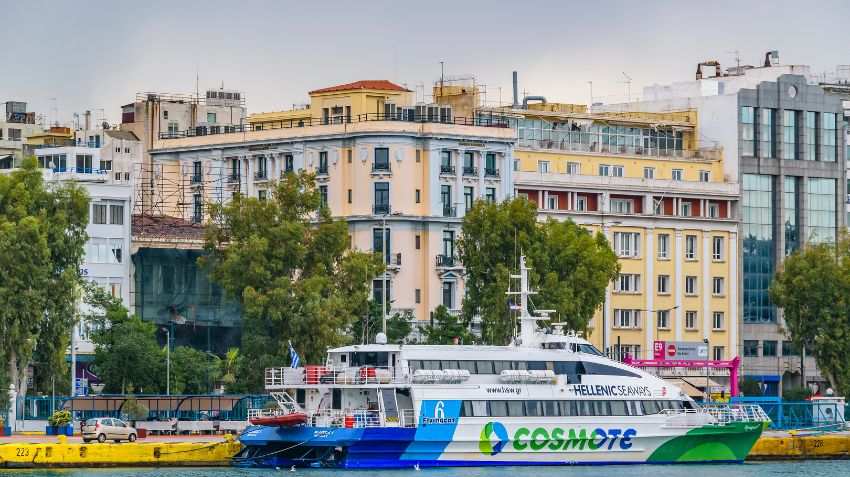
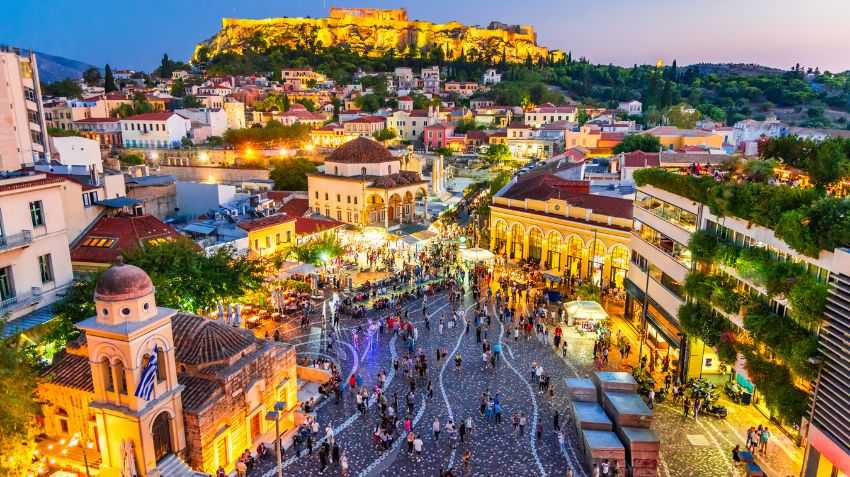
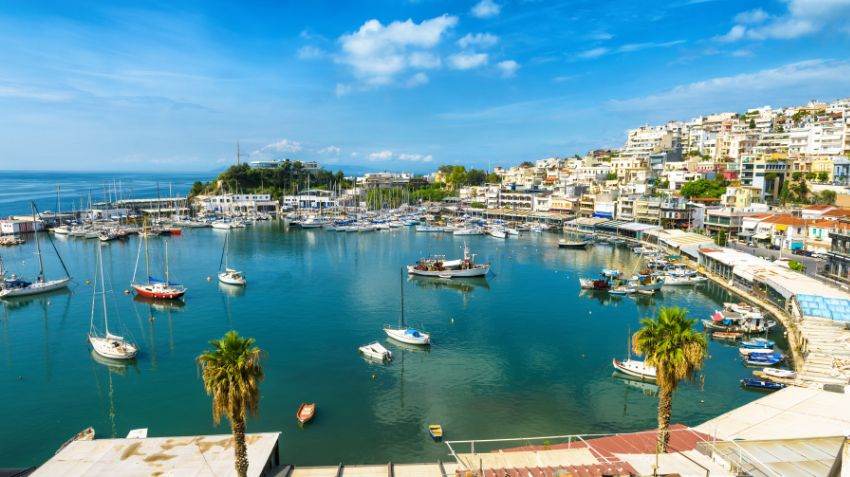
Piraeus and Athens in photos
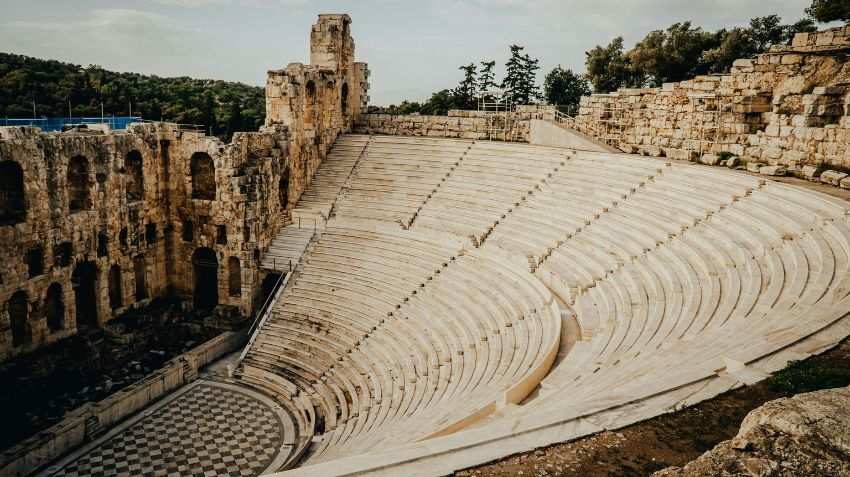
What Athens and Piraeus each feel like for first-time visitors
Central Athens runs at a layered tempo. Monastiraki and Plaka carry most of the visitor activity, and in July they reach a sustained energy from mid-morning well into the night. The streets around the Acropolis fill early; by 10:00 the main approach paths are already busy. But two streets away from the main drag, in Psyrri or Koukaki, the city has a different character entirely: local coffee shops, quieter squares, and the kind of afternoon that slows down naturally without needing you to plan around it.
Piraeus is flatter, louder near the main port, and much quieter once you move away from it. The commercial harbour is not an atmospheric place – it is a working transport hub, and it reads like one. But Mikrolimano, the small circular harbour about 20 minutes on foot from the ferry terminals, operates on a completely different register: fish tavernas right on the water, a genuinely local lunch crowd, and evenings that stretch comfortably past midnight. That part of Piraeus is worth knowing regardless of where you are staying.
The metro connection between them is direct and honest: Line 1 from Piraeus to Monastiraki takes around 20 minutes, runs frequently, and costs the same as any single Athens metro journey. You can, practically, use either as a base and access the other easily.
But in summer, arriving at a central Athens hotel after a long travel day and immediately having the Acropolis visible from your terrace is a different arrival experience than checking into a Piraeus hotel and spending the evening eating calamari near the boats, planning the Athens day for tomorrow. Both are real. They just suit different states and intentions.
If you’re planning to stay in the capital itself, the Athens neighborhood guide explains which districts suit first-time visitors, longer stays, families, and nightlife.
Piraeus or Athens: which base suits your travel style?
Athens is the right base for most first-time visitors. If you want the city’s history, its neighbourhoods, its rooftop bars with Acropolis views, its density of restaurants and cafes across Exarchia, Kolonaki and Koukaki – you need to be sleeping there, not commuting in from the port every morning. Two or three days in Athens goes quickly, and losing 40 minutes each way on a metro transfer cuts into the kind of slow morning that makes the city enjoyable.
Piraeus suits a specific type of stay. If your trip starts or ends with a ferry to the islands and you want to remove the early-morning transfer stress entirely, one night in Piraeus is a practical and genuinely pleasant choice. It also suits travelers who want lower accommodation prices than central Athens (which in peak summer are significant), have already seen the main Athenian sites on a previous trip, or simply prefer a quieter, more port-town character to their evenings. It is a less suitable base for anyone whose primary goal is exploring Athens itself.
There is a third option worth naming: you stay in Athens for most of the trip, then move to Piraeus for your final night before an early island ferry. This is the pattern that works best logistically and it is what most experienced Greece travelers default to, even if they do not consciously frame it that way. The Acropolis on day two, Monastiraki in the evenings, dinner in Koukaki – then a transfer to Piraeus, a good fish dinner at Mikrolimano, and a 7:00 ferry to Santorini or Mykonos the next morning with no stress.
For travelers visiting Greece for the first time, the Athens first-time travel guide helps place this accommodation decision into the wider context of exploring the city.
How to move between Athens and Piraeus as a first-time visitor
Athens International Airport connects to central Athens via the metro in around 40 minutes (Line 3 to Syntagma or Monastiraki). From there, Line 1 continues south to Piraeus. The full airport-to-Piraeus journey by metro takes roughly 70 to 80 minutes and involves one transfer at Monastiraki or Syntagma. Taxis and ride-hailing apps are available at the airport and cover the same route in 45 to 60 minutes depending on traffic, which peaks heavily on the coastal road in the late afternoon.
If you are arriving at Piraeus by cruise ship or international ferry rather than at the airport, the metro is your direct route into Athens: leave from the main port gate, follow signs to Piraeus metro station, and you are 20 minutes from Monastiraki. Worth knowing: the port is large and not all ferry terminals are equidistant from the metro entrance. If you are arriving on a domestic island ferry, you may be docking at a different gate than cruise passengers, so leaving extra time before your train is sensible.
If you’re also comparing accommodation costs before booking, the Athens budget travel guide breaks down typical prices for hotels, food, transport, and daily spending.
Getting around central Athens on foot is practical for the main historic zone. Plaka, the Acropolis, Monastiraki and Psyrri form a walkable cluster. Koukaki, south of the Acropolis, is a short walk or one metro stop. Kolonaki and Exarchia require a metro ride or a longer uphill walk depending on where you are starting from. None of this is particularly complicated for a city this size, but the terrain does involve hills in places – the Acropolis ascent and the streets around Anafiotika are steep in a way that flat maps do not communicate.
What changes in summer between Piraeus and Athens
In July, Athens is genuinely hot. Stone streets and the compact historic core retain heat through the day, and the main sightseeing sites are most comfortable before 10:00 or after 17:00. The evening shift is real here: the city comes alive again after 21:00, restaurants fill late, and the rooftop bars around Monastiraki and Psyrri stay active well past midnight. For travelers who adapt naturally to a later rhythm, this is part of the city’s character rather than an inconvenience.
Piraeus catches more sea breeze along the waterfront, which makes the evenings around Mikrolimano genuinely pleasant even in peak summer. The harbour area does not retain heat the way dense urban stone streets do. This is one of the reasons a Piraeus dinner on a hot July evening has an ease that an Athens old-town dinner sometimes lacks – you are eating with the water a few metres away, and the temperature is a few degrees softer.
Both destinations run at high visitor activity in July. Athens is busier and more concentrated around the main sights; Piraeus is busy specifically around the ferry terminals during morning departure windows, and quieter through the rest of the day. Neither place is a relief from summer crowds in the conventional sense, but they handle the crowds differently – Athens through scale and neighbourhood distribution, Piraeus through the simple fact that most visitors pass through rather than stay.
For travelers weighing a Greece island continuation after Athens, the Rhodes or Heraklion island base comparison covers the same kind of decision from Piraeus’s most frequent ferry destinations, which can help you plan the full arc before booking anything.
Travelers planning to continue beyond Athens can also use the Greece itinerary to connect mainland cities with the islands in one logical route.
Is Piraeus or Athens the right choice for your first trip to Greece?
Athens is the default for good reason. For a first-time visitor with two to four days and no specific ferry logistics to manage, a central Athens base gives you the city itself: the Acropolis, the neighbourhoods, the food, the evenings, the slow mornings in a Koukaki cafe. It is the version of Greece most people are arriving to experience, and placing yourself inside it rather than adjacent to it matters more than most accommodation decisions.
Piraeus earns its place at the start or end of a trip that continues to the islands. One night there is not a compromise – it is a sensible sequencing choice that removes a stress point and adds a genuinely pleasant harbour evening to your itinerary. What it is not is an alternative to Athens for someone who wants to explore Athens. The rhythm, the scale, and the kind of day it supports are different enough that the distinction is real, not just geographical.
If you are thinking about how Greece as a whole fits together, the Thessaloniki or Heraklion city comparison maps the north-south split and helps clarify whether a second city makes sense alongside Athens.
For island-specific base logic, the area guide for Thassos is a useful reference for how the quieter northern islands distribute across different traveler rhythms.
The Piraeus or Athens decision, stripped back, is really a sequencing question: where do you want to wake up on your first morning in Greece, and where do you want to be the night before you leave? Answer those two questions and the accommodation logic follows naturally from them.
Piraeus or Athens FAQ: first visit, transport, ferry logistics, summer atmosphere and island connections
1. Is Piraeus or Athens better for a first visit to Greece?
Athens suits most first-time visitors better: the main historic sites, restaurants and neighbourhood energy are all within walking distance of a central hotel. Piraeus makes more sense if you are arriving by ferry late in the evening or catching an early morning departure, and want to avoid an early metro transfer across the city.
2. How long does it take to travel between Piraeus and Athens?
Athens Metro Line 1 connects Piraeus to Monastiraki in roughly 20 minutes with frequent departures across most of the day. Taxis and ride-hailing apps cover the same route in 20 to 40 minutes depending on traffic, which runs heavier in the late afternoon.
3. Should I stay in Piraeus if I have an early ferry?
If your ferry leaves before 08:00, staying in Piraeus the night before removes one variable: you walk to the port rather than navigating the metro with luggage before dawn. For departures after 09:00, a central Athens base with an early metro ride is straightforward enough.
4. What is the atmosphere like in Piraeus compared to central Athens?
Piraeus has a working-port rhythm: ferry traffic, seafood restaurants along Mikrolimano, and a seafront that comes alive in the evening when the day’s heat softens. Athens, particularly around Monastiraki and Koukaki, runs at a denser social tempo with more cafes, rooftop bars and the kind of street energy that takes a day or two to settle into.
5. Can I visit Piraeus as a day trip from Athens?
Easily. The metro ride is short enough that Piraeus fits naturally into a half-day, especially if you time it for the late afternoon when the harbour light softens and the fish restaurants around Mikrolimano start filling up.