
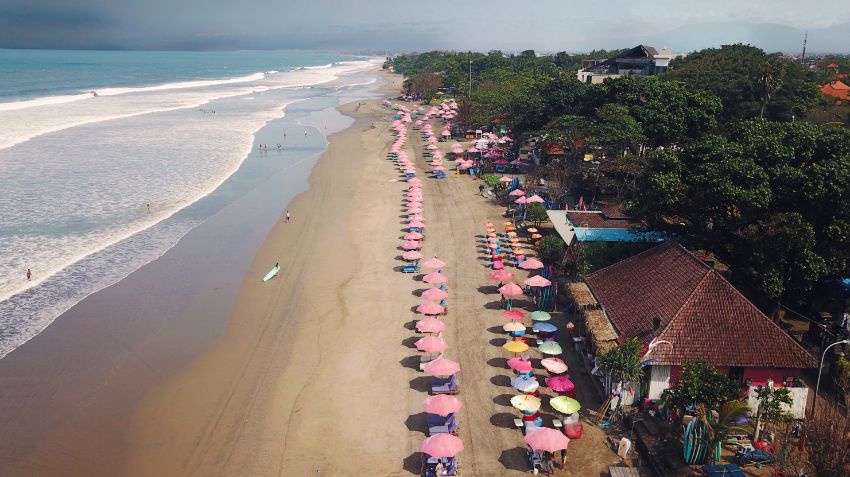
Seminyak is the kind of place that makes sense before you have fully mapped it. The beach is wide, the Indian Ocean keeps moving, and by late afternoon the sky often gives you a reason to stay until dark. This first-time guide looks at Seminyak as a base: what daily life feels like, who it suits, and how to experience it without losing too much time to Bali traffic.
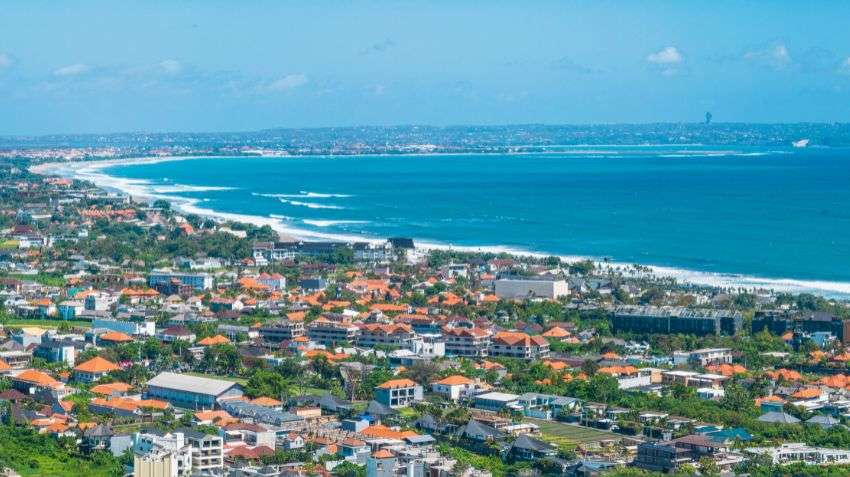
Along Bali’s southern coast, Seminyak sits between the intensity of Kuta and the trend-driven energy of Canggu. It feels more polished than the former, less performative than the latter, with restaurants, hotels and beach clubs arranged around a rhythm that is easy to understand from the first day.
Around Oberoi, Kayu Aya and Petitenget, walkable streets, side lanes and open-air restaurants create a compact zone that quickly becomes familiar. That ease is a large part of Seminyak’s appeal: you can arrive with no Bali experience and feel oriented almost immediately.
What Seminyak feels like as a first-time base in Bali
Mornings in Seminyak are the most honest version of the place. The beach is open and walkable before 09:00, the air is cooler, and the streets around the local warungs have a different quality than what fills the same lanes by noon. Coffee arrives fast and good. Most of the accommodation options sit close enough to the water that the first morning walk barely needs planning.
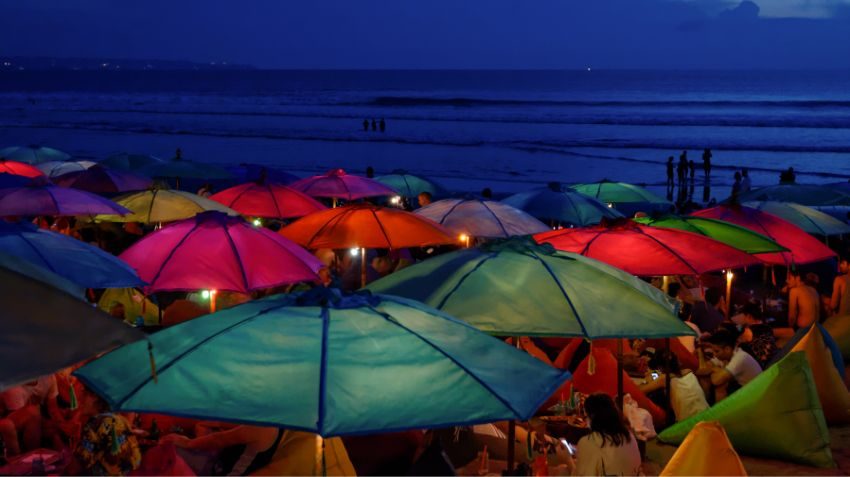
By midday the beach clubs have settled into their rhythm – music from the deck, sun loungers filling in from the edges, the bar doing slow but steady work. The atmosphere is social and polished rather than wild, and the crowd tends to skew toward travelers in their late twenties and thirties rather than the much younger or much older ends of the Bali visitor range. This is not a coincidence. The price point of Seminyak’s accommodation and dining naturally selects for a certain kind of traveler.
The eating scene is genuinely wide. Indonesian food sits alongside Japanese, Mediterranean, and a handful of places that resist easy categorization. Most kitchens stay open late, which means dinner does not need to be rushed. Restaurants along Petitenget Road and the surrounding lanes tend to fill from around 19:30, with the terraces doing their best work as the heat of the day finally breaks.
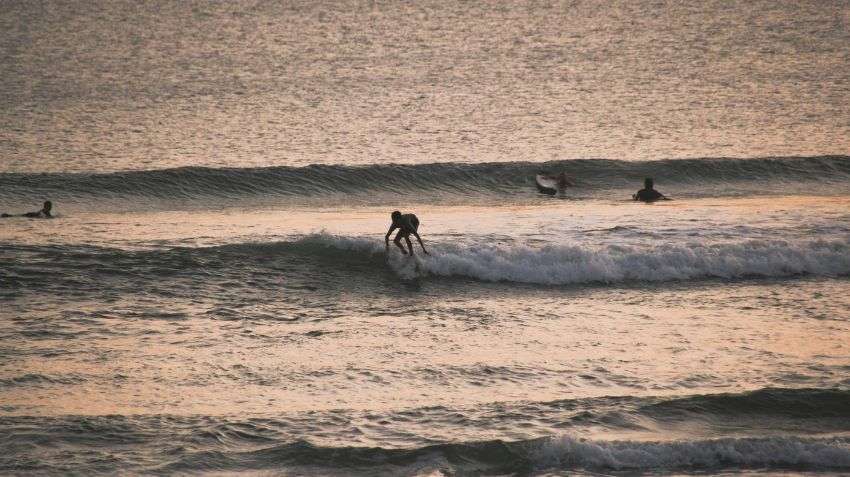
Seminyak, Bali in photos

Is Seminyak right for your travel style?
Seminyak suits travelers who want Bali’s atmosphere with reliable infrastructure underneath it. Good wifi, varied food, a beach within ten minutes of most accommodation, and the option of a beach club afternoon without significant logistics – those are the conditions Seminyak delivers consistently. First-time Bali visitors who are uncertain about how the island works tend to find it a reassuring entry point.
If Seminyak is your entry point to the island, the first-time Bali guide gives the wider context for understanding Bali’s main regions, travel rhythm and how a first trip fits together beyond the southern coast.
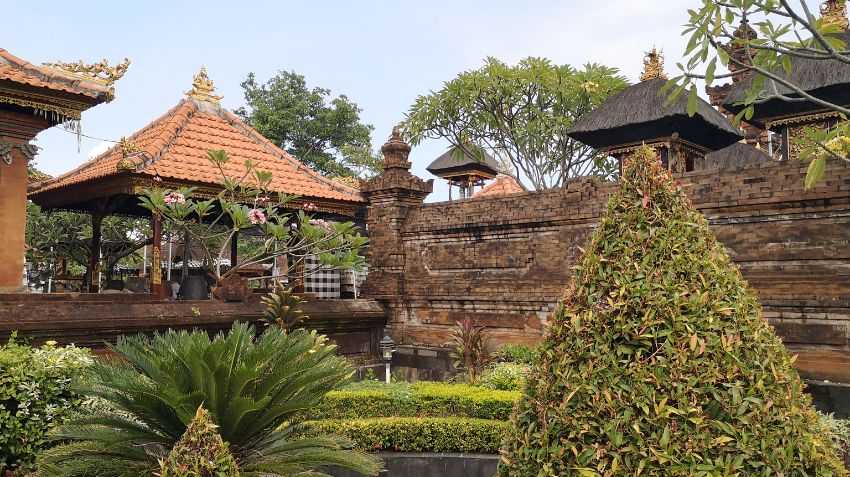
It is a less natural fit for travelers looking for traditional Balinese culture as the primary experience. Ubud does that work far better. It is also not the right base for anyone who wants to surf seriously (Canggu and Uluwatu handle that) or for travelers who prefer the quiet and the slower cadence that comes with being further from the tourist infrastructure.
If those trade-offs are making you reconsider the base itself, the Bali areas guide compares where to stay across the island based on beach access, culture, pace and travel style.
Seminyak is a genuinely comfortable place, and comfort here comes with a certain density of visitor presence that is most visible along the main beach access points and the central dining strip at peak hours. For some travelers that energy is exactly what they came for; others find themselves drifting north toward Kerobokan after a few days, where the character shifts enough to feel like a different pace.
How to get around Seminyak as a first-time visitor
Seminyak itself is walkable. The core zone between Kayu Aya, Petitenget Beach and the Oberoi strip covers maybe two kilometers at its widest, and most of what a first-time visitor needs sits within a reasonable walk on flat, if occasionally uneven, ground. Mornings are the most comfortable time to walk; midday heat pushes most people toward pools, cafes or beach club shade, and that is a rhythm worth accepting rather than working against.
Leaving Seminyak requires a taxi or ride-hailing app. The airport sits roughly 30 to 40 minutes south depending on the time of day, and traffic on the main Kuta corridor can compress that window considerably in the late afternoon.
Ride-hailing apps work reliably across the southern strip and into Canggu, which makes spontaneous movement between neighborhoods straightforward. Ubud is about an hour north by car and works comfortably as a day trip – long enough to feel like a different world, close enough that leaving after lunch does not feel like a commitment.
Scooter rental exists, and many travelers use it, but navigating Bali roads without previous experience takes adjustment. The first-time visitor who has never ridden in Asian traffic is better off with apps for the first few days while reading the road conditions before committing.
Best areas and day trips near Seminyak
The immediate area north of Seminyak into Kerobokan has a noticeably different feel. The accommodation runs quieter, the restaurants are slightly more local in character, and the lanes between the rice field edges and the new villas create a texture that the central Seminyak strip does not offer. It is worth a morning walk or an afternoon exploration even without a specific destination in mind.
Canggu sits further north and operates at a different frequency entirely – more surf culture, more cafe-and-coworking energy, a younger crowd and a pace that some travelers find more engaging after a few days in Seminyak’s polished resort register.
Travelers who are weighing which southern Bali area to base in will find the Komodo or Canggu read useful for understanding how Canggu fits into a broader Indonesia sequence.
Tanah Lot temple, a short drive west along the coast, is one of the few cultural stops that works as a half-day trip from Seminyak without requiring a full day’s commitment. Late afternoon timing, arriving before the last light, is when the coastal setting reads most clearly.
Ubud remains the strongest day-trip case. The rice terraces, the market, the slower pace, and the Balinese cultural density make it feel like a genuine counterweight to Seminyak’s beach-and-dining orientation.
If the Bali trip runs longer than a week, it is worth considering whether Ubud deserves its own overnight stay rather than a compressed day trip – the Bali days pacing guide covers how to sequence that decision across different trip lengths.
Is Seminyak worth visiting for first-time Bali travelers?
For a first visit to Bali, Seminyak is one of the more reliable entry points on the island. The infrastructure is solid, the daily shape becomes clear quickly, and the beach is genuinely good – wide, open, facing west for sunset, with enough space on most days that the crowd activity does not overwhelm the experience. The traveler who arrives without strong opinions about what Bali should be tends to leave with a clear sense of what they would prioritize on a return visit, which is arguably the most useful thing a first trip can deliver.
Where it works less well is for travelers who came to Bali specifically for quiet, cultural immersion, or surf-first priorities. Those travelers will find Seminyak functional but not fully satisfying, and will likely reorganize their itinerary after a day or two. That is not a failure of the place – it is information. Seminyak’s character is consistent enough that the fit either clicks or it redirects you somewhere more appropriate, and both outcomes are genuinely useful for first-timers navigating a large and varied island.
Explore the full Bali area guide to find which neighborhoods fit your travel style
Travelers who want to understand how Bali fits into a longer Indonesia sequence – whether to combine it with Komodo, Lombok or a city like Jakarta – will find the contrast reads useful for building the broader shape of the trip. The Bali vs Jakarta first-timer comparison covers the island-versus-city decision that often comes up once the Seminyak base is confirmed.
Seminyak first-time visitor FAQ: best time, neighborhood, days, beach clubs and Bali pacing
1. Is Seminyak good for first-time visitors to Bali?
Seminyak works well for first-timers who want a structured base with restaurants, beach clubs and reliable accommodation within easy reach. It is one of the more organised parts of Bali’s southern strip, which makes orientation straightforward. Travelers who prefer quieter or more traditional settings may find Ubud or the northern coast a better fit.
2. What is the difference between Seminyak and Canggu?
Seminyak runs at a polished, resort-oriented tempo with established beach clubs and a denser dining scene. Canggu sits north along the coast and draws a younger, surf-and-coffee-shop crowd with a more relaxed pace. The two complement each other well on a longer Bali trip.
3. When is the best time to visit Seminyak?
The dry season from May through September brings the clearest conditions and is the most popular window. July and August see the highest visitor activity across the beaches and beach clubs. Shoulder months like May, early June and September offer much of the same weather with a noticeably lighter crowd presence.
4. How many days should I spend in Seminyak?
Most travelers find three to five days a natural fit. That gives enough time to settle into the beach rhythm, explore the surrounding areas of Kerobokan and Petitenget, and make a day trip toward Ubud or the Tanah Lot temple without the stay feeling rushed.
5. What is the atmosphere like in Seminyak in the evening?
Evenings shift noticeably from the midday beach energy into something more relaxed and social. Restaurants along Oberoi and the surrounding lanes fill from around 19:00, and the light over the Indian Ocean at sunset draws people to the beach wall and the club terraces above it.