
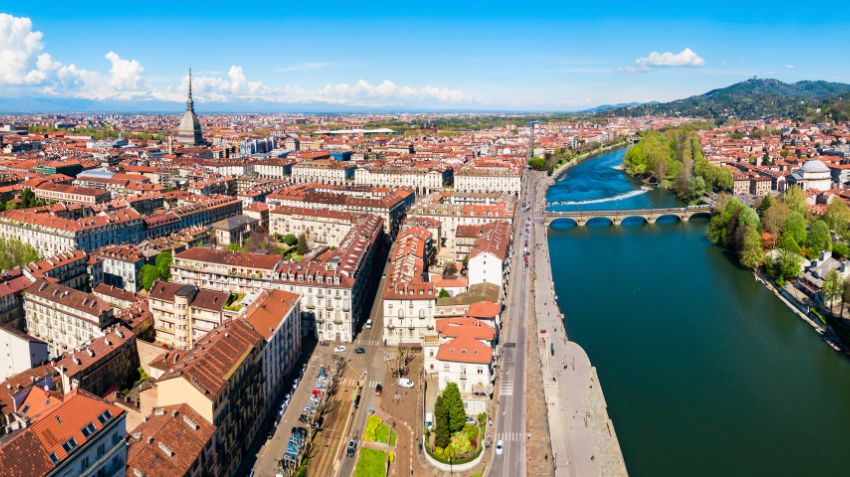
The arcaded streets absorb you quietly, the cafés are serious about their coffee, and the city’s Piedmontese restraint means you are more likely to discover something good by lingering than by following a list. This traveler guide to Turin is for the kind of traveler who prefers to understand a city before arriving in it, and who suspects that one of Italy’s most composed urban environments might suit them rather well.
The pace here is slower than Milan, more structured than Naples, and distinctly its own thing. Turin was Italy’s first capital, a royal city with wide Baroque avenues and a grid that still feels designed for walking rather than tourism. The Egyptian Museum is well-regarded by any measure. The chocolate and wine culture runs deep in a way that feels genuinely rooted rather than performed for visitors.
In summer the city settles into a quieter version of itself, especially in July and August when locals leave for the Alps or the coast. What remains is a city that is pleasant to move through, animated in the evenings along the Po, and noticeably less crowded than Florence or Venice at the same time of year.
What Turin feels like for first-time visitors
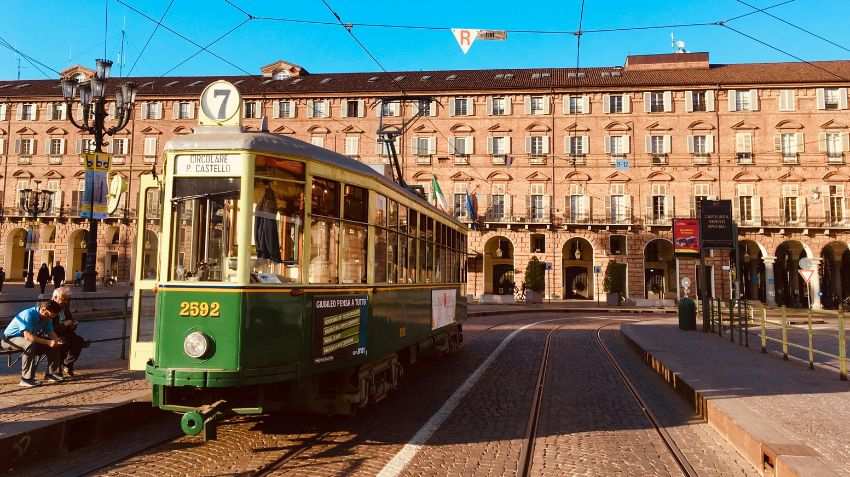
The first thing most people notice is the arcades. Nearly 18 kilometres of covered walkways run through the historic centre, which means that the experience of moving through central Turin is fundamentally different from most Italian cities. You can walk from the train station to the Egyptian Museum, stop for a bicerin at a café that has been serving the same drink since the eighteenth century, and arrive without having stood in the sun once.
The grid is logical in a way that reduces disorientation. Streets run straight, the Po anchors the eastern edge, and the hills above Superga are visible from many of the main avenues. After half a day, most visitors have a working mental map without having tried to build one. That quality of legibility is part of what gives the city its calm.
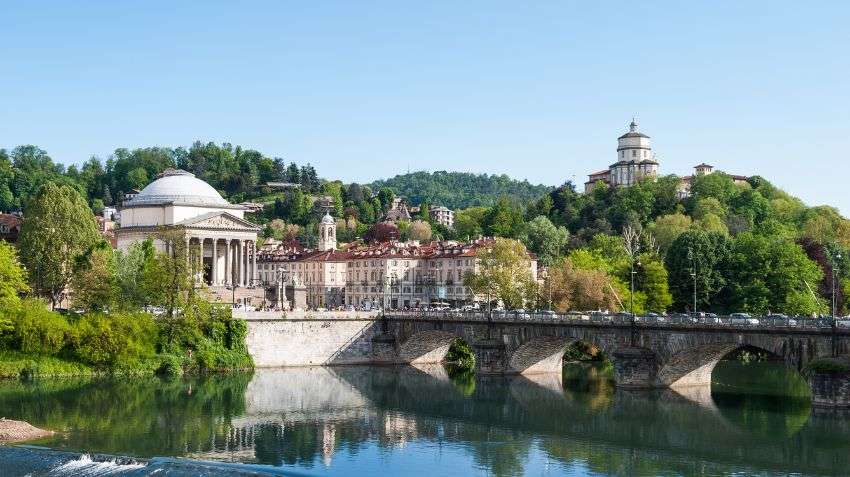
The social energy runs lower than you might expect from a major Italian city. Turin does not perform for tourists. The Quadrilatero Romano neighbourhood fills with people at aperitivo hour and the terraces along the Po come alive past 21:00, but there is very little of the tourist-circuit atmosphere that compresses the historic centres of other Italian cities in summer. The energy is more residential, more conversational.
Turin in photos
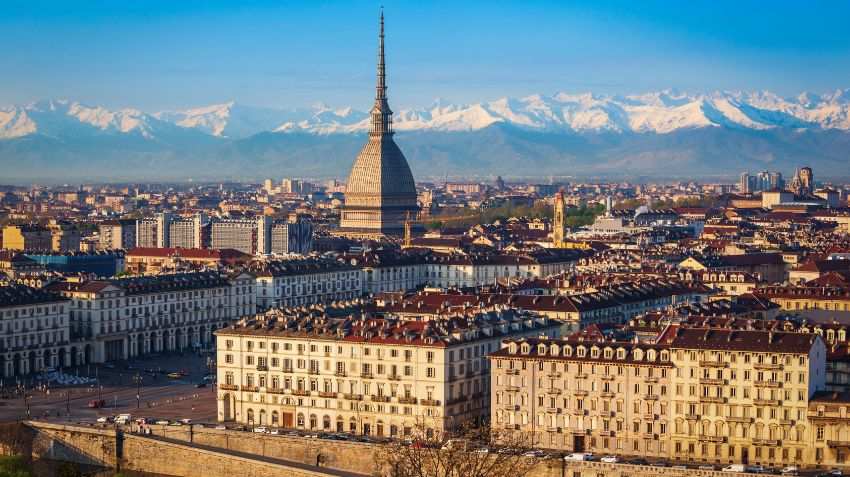
Is Turin right for your travel style as a first-time visitor?
Turin works best for travelers who want cultural depth without the feeling of being processed through an attraction. The Egyptian Museum alone would justify the trip for many people; it is the largest collection of Egyptian antiquities outside Cairo, and it is easy to spend three or four hours inside it without a sense of having rushed.
The museum of the Risorgimento, the Palazzo Reale, and the Savoy residences outside the city add historical weight that takes several days to explore properly.
Food-oriented travelers tend to find Turin particularly rewarding. Piedmontese cuisine is specific and serious, built around local ingredients and wine rather than broad Italian archetypes. A long lunch at a neighbourhood osteria, followed by an afternoon that drifts toward a Barolo tasting, is a viable and entirely satisfying structure for a day. The aperitivo culture here is also worth understanding before you arrive: a Campari or Aperol in Turin typically comes accompanied by a substantial spread of food, making it closer to an early dinner than a pre-dinner drink.
Travelers who need constant stimulation, dense nightlife, or a beach nearby will find Turin less accommodating. The city quiets down relatively early by southern Italian standards. Depending on your pacing, that quality is either exactly what you came for or the first thing that will send you looking at trains to the coast. For slow travelers, remote workers, and anyone who wants to genuinely inhabit a city for a few days rather than check it, Turin is a strong fit.
If you’re deciding between Turin and Italy’s largest northern city before planning the rest of your trip, the Milan travel guide explains what the city feels like beyond its business reputation.
How to get around Turin as a first-time visitor
Central Turin is flat, arcaded, and walkable in a way that makes the metro feel optional for most of the day. The single metro line runs from the northwest to the east, passing through the main stations at Porta Susa and Porta Nuova, and it is genuinely useful for getting between districts quickly. But most first-time visitors end up walking more than they expected to, partly because the streets reward it and partly because distances between the main sites are shorter than the map suggests.
Turin Caselle airport connects to the city by a direct rail service to Porta Susa and by bus to both main stations. The journey runs cleanly without complicated transfers, and most hotel areas in the centre are within a short walk or one metro stop of either station. Arriving by train from Milan, Rome, or Venice puts you directly into the grid at Porta Nuova or Porta Susa, both well positioned for most first-visit bases.
Taxis and ride-hailing apps are available and reliable for longer cross-city trips or late-night returns. The city is calm enough at night that walking between the main restaurant and bar districts along the Po or around the Quadrilatero Romano is easy and pleasant, without the density of movement you encounter in the old centres of Rome or Florence at the same hour.
If Turin is one stop within a broader northern Italy journey, the Italy itinerary guide shows how it connects with the country’s classic rail route.
Day trips worth building into a first visit
The Langhe wine region sits roughly an hour south, and a half-day drive or car hire through the hills around Alba and Barolo is one of the most coherent day trips in northern Italy. Winery visits here tend to be small and personal rather than industrially managed, and the landscape in late summer, with the vineyards still green before the autumn harvest, is genuinely worth the detour.
The lower Alpine valleys above the city are less predictable as a destination but useful for anyone who wants to spend a morning or afternoon at a completely different elevation and temperature. In summer the contrast between Turin’s warm streets and the air an hour up the valley is noticeable. Travelers who found the first-time Como lake town read useful may be thinking about whether the Alpine fringe above Turin fills a similar role, though the character is more valley-road than lakeside promenade.
Best Turin neighborhoods for first-time visitors
The area around Piazza Vittorio Veneto and the riverfront is the most atmospheric base for a first visit. The square is the largest Baroque piazza in Italy and faces the hills directly; in late afternoon the light arrives at an angle that catches the stone facades on the eastern side. The neighbourhood around it is residential enough to feel genuine, with local bars and restaurants that are not pitched at tourists.
The Quadrilatero Romano, just north of the main market area, fills around 19:00 and stays animated until late. It is the densest concentration of aperitivo bars and informal restaurants in the centre, and its narrow streets empty quickly after midnight, leaving the surrounding residential streets quiet by most European standards. Staying nearby suits visitors who want easy access to the evening rhythm without being inside it continuously.
Crocetta, south of the centre, is calmer, more residential, and less visited. It makes sense as a base for longer stays where the priority is a slower pace and proximity to local markets rather than immediate access to the main museums. For a first visit of two or three days, the riverfront area offers a better combination of access and atmosphere.
Travelers who decide they prefer larger metropolitan neighborhoods can also explore the Milan neighborhood guide before choosing their next base.
Travelers who are weighing Turin against other first Italian city visits may find the Bologna first-visit read useful alongside this one, as the two cities share a certain northern-Italian restraint and food culture but differ considerably in scale and energy.
Is Turin worth visiting for a first trip to Italy?
Turin works best as a first Italian destination for travelers who want depth over density, who prefer walking through a city to managing a tourist circuit, and who find the idea of building a day around a long lunch and an evening aperitivo more appealing than moving between attraction to attraction. It is not the first Italian city that comes to mind for most people planning a first trip, which is part of why the experience there tends to feel more spacious and less mediated than it does elsewhere.
In summer the city is calm, walkable, and genuinely pleasant in the evenings. The arcades make midday movement comfortable. The museums are serious without being dense in scale. The food culture rewards staying long enough to eat two or three meals properly rather than sampling quickly and moving on.
A first-time traveler guide to Turin points ultimately toward the same conclusion: this is a city that suits people who are interested in it specifically, rather than people who have ended up there by process of elimination. For those travelers, three or four days here tends to feel like a complete and satisfying unit rather than a stepping stone.
If after a few days in Turin the pull shifts toward something with more sensory density and a coastal register, the Palermo first-time guide covers a very different Italian tempo.
Turin first-time visitor FAQ: days needed, best area, summer, food and day trips
1. How many days do you need in Turin as a first-time visitor?
Three days gives a comfortable first read of the city. The historic centre, the Egyptian Museum, at least one long lunch in the Quadrilatero Romano, and an evening aperitivo circuit along the Po fit naturally into that window without rushing.
2. What is the best area to stay in Turin for a first visit?
The area around Piazza Vittorio Veneto and the riverfront is a strong first-visit base: close to the main museums, well connected by metro and bus, and animated in the evenings when the square fills with the pre-dinner crowd.
3. Is Turin worth visiting in summer?
Summer in Turin runs warm and unhurried, especially in July and August when many locals leave and the city takes on a quieter rhythm. The arcaded streets provide shade through the hottest hours, and evenings along the Po are genuinely pleasant.
4. What food should a first-time visitor try in Turin?
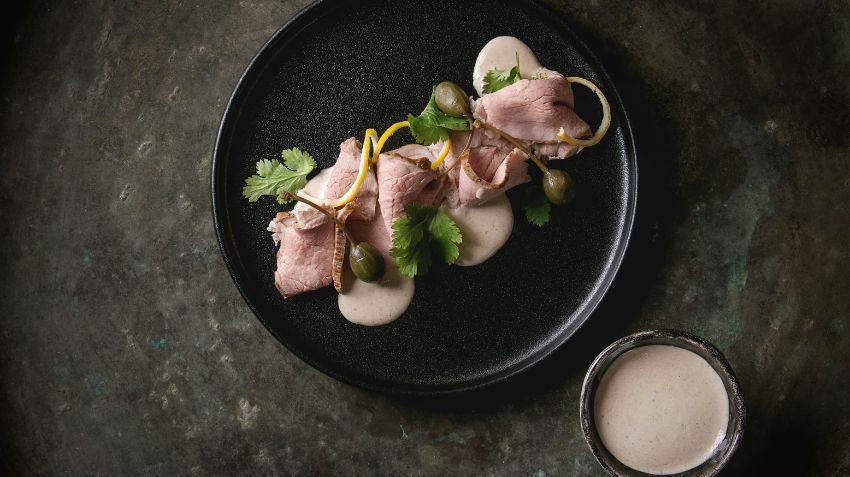
Piedmontese cooking is the reason many people come back. Tajarin pasta with butter and sage, vitello tonnato, and a glass of Barolo or Barbera at a neighbourhood osteria are the anchors. The aperitivo culture here is also serious: a spritz comes with a proper spread of food, not a bowl of crisps.
5. What day trips are worth taking from Turin?
The Langhe wine region sits about an hour south by car and makes a logical half-day or full day; Alba is the easiest entry point. For a different register entirely, the lower Alpine valleys above the city are within 40 minutes and cool considerably in summer.