
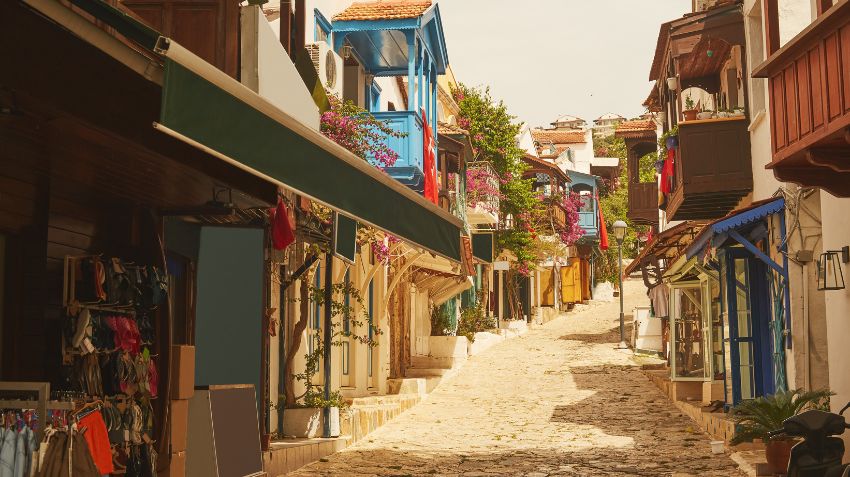
The question of Ankara or Antalya rarely has a simple answer because the two cities are not really competing. Ankara is Turkey’s working capital, known for its museums and everyday local rhythm. Antalya is a Mediterranean resort city where Kaleiçi’s Ottoman streets, the limestone coast and the beaches shape the trip. Both are major gateways to Turkey, but they offer entirely different experiences.
The difference is experiential rather than geographical. Ankara moves at a civil-service pace, with broad avenues, an efficient metro and restaurants filled mostly with locals. Antalya follows the rhythm of the coast, where Kaleiçi, the harbour and the beaches naturally organize the day from morning to late evening.
What Ankara and Antalya each feel like for visitors
Ankara does not perform for tourists. The Atatürk Mausoleum sits above the city on a broad ceremonial hill, and the Museum of Anatolian Civilizations occupies a restored Ottoman bedesten near the old Ulus district — but beyond those two, the city asks you to find your own rhythm.
Kızılay is where Ankara actually lives: bookshops, patisseries, teahouses with televisions tuned to the news, streets that empty by midnight without fanfare. The city’s elevation keeps summer evenings noticeably cooler than the coast, and the air is dry in a way that makes afternoon heat much more manageable than the humidity that settles over Antalya after dark.
Antalya’s old town, Kaleiçi, is compact enough to walk end to end in twenty minutes, but the experience is layered in a way that rewards slower movement. Roman harbor walls, Seljuk minarets, Ottoman houses converted into pensions with bougainvillea spilling over their courtyard walls — the visual density is high.
Outside Kaleiçi, the city shifts into a wider resort apparatus: Lara Beach to the east, Konyaaltı Beach to the west, and a long promenade connecting them to the old town. The sea is the organizing principle. By July, the harbor fills around 19:30 with the kind of slow evening walking that coastal Turkish cities do naturally — families, couples, vendors, the warm air carrying the sound of water against the breakwater stones.
Ankara and Antalya in photos
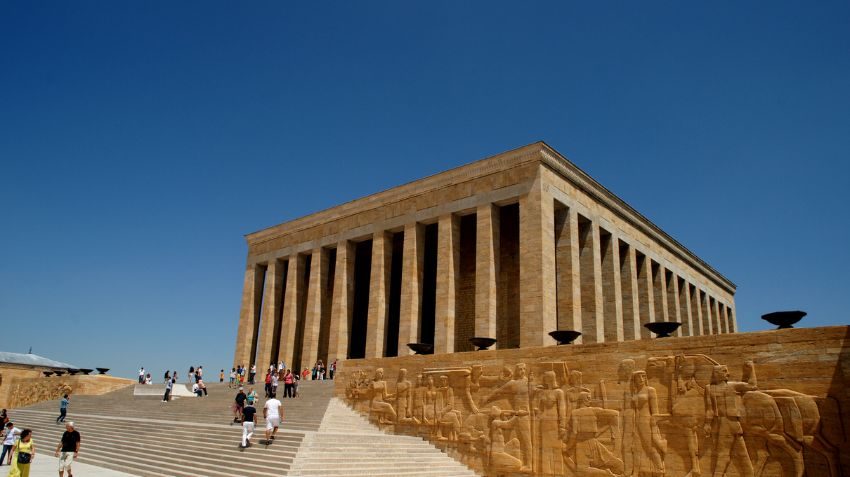
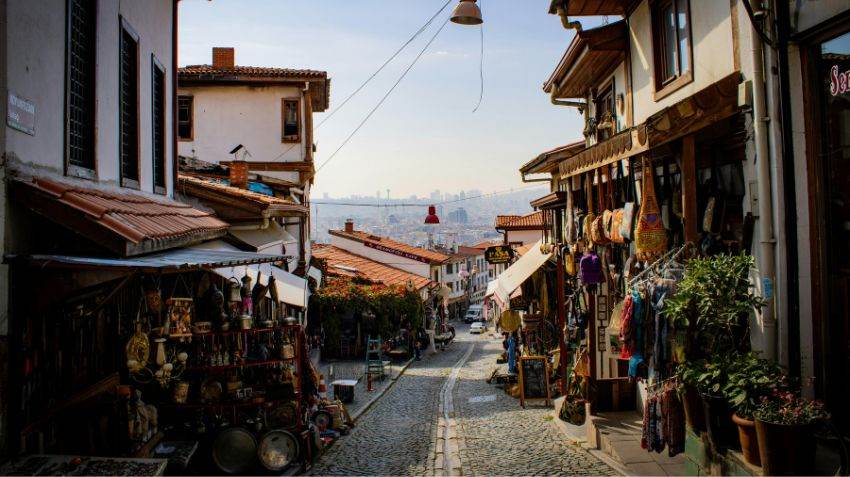
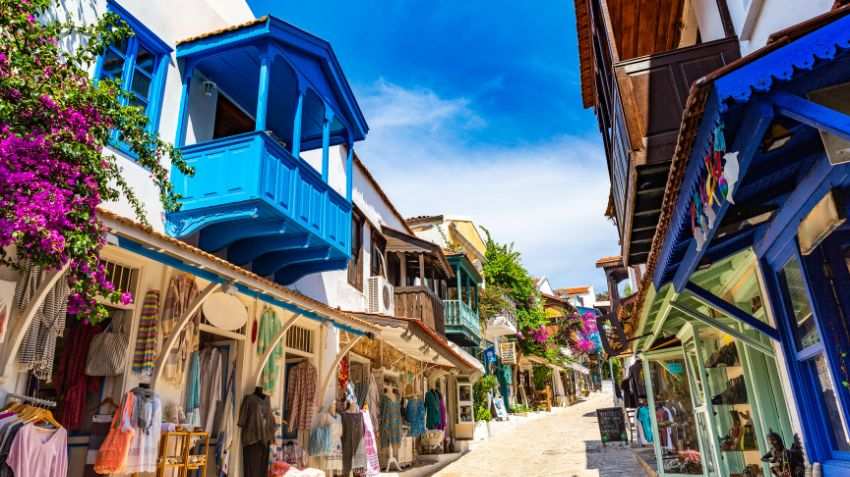
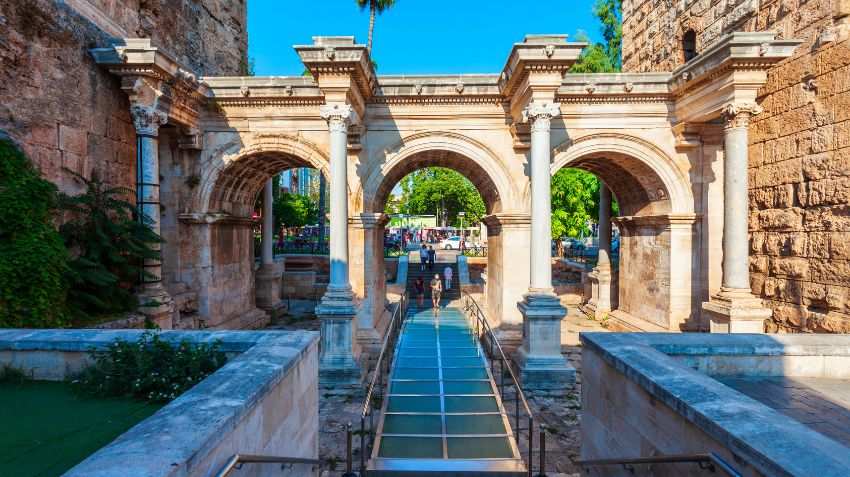
Ankara or Antalya: which city is better for your travel style?
Ankara fits a specific kind of traveler well: someone who wants cultural depth without tourist infrastructure, who is comfortable in a city that was not designed for them, and who finds the absence of souvenir shops and organized tours a relief rather than a loss. The Museum of Anatolian Civilizations alone — Hittite artifacts, Bronze Age gold, Phrygian objects that predate Rome by a thousand years — can hold a serious visitor for half a day. Ankara also suits anyone building a longer Turkey itinerary who wants an arrival city that does not immediately demand performance.
Antalya fits a broader range of travelers and fits them more immediately. First-time visitors to Turkey often find it the more legible of the two: the old town is photogenic and walkable, the coast handles the afternoons, and the day-trip infrastructure toward Aspendos, Perge, and the Düden waterfalls is well-organized.
For a more detailed view of the city’s beaches, old town, transport and seasonal rhythm, the Antalya first-time visitor guide explains how to structure an initial stay.
Families find it easier, couples find it more atmospheric in the evenings, and solo travelers find Kaleiçi’s café culture approachable without being dense. The city also suits travelers who want to feel the pull of the coast even when they are not on it — that particular quality of knowing the sea is nearby that changes how a day feels.
Ankara may feel flat to travelers who want sensory variety and a strong atmospheric register from the first afternoon. Antalya in peak summer can feel relentless in its visitor activity, especially inside Kaleiçi between 10:00 and 14:00, when the lanes reach their densest rhythm and the shade is at a premium.
How to visit Ankara and Antalya on the same trip
Flights between Ankara and Antalya take just under an hour, which makes combining them straightforward. The more common sequence is Ankara first, Antalya second — the logic being that moving from a quieter capital to a coastal city feels like a natural decompression. Two days in Ankara covers the Mausoleum, the museum, and enough of Kızılay to feel oriented; arriving in Antalya on day three leaves the coastal portion of the trip unhurried.
The reverse works too, especially for travelers arriving at Antalya Airport, which is better connected internationally during summer. In that case, starting with the coast and ending in Ankara means the trip moves from high sensory energy toward something quieter and more interior — a sequence that suits travelers who know they tend to want decompression near the end of a trip rather than at the start.
If both cities are part of a longer route, the Turkey loop itinerary shows how Antalya can connect with Istanbul, Cappadocia and Izmir without making the trip geographically inefficient.
Neither city rewards rushing. Ankara’s best museums need time, not speed. Antalya’s harbor district at 21:00, with the lights on the Roman walls and a second glass of wine at a table a few meters from the water, is a different experience from the same spot visited in ninety minutes on a day trip.
If the itinerary allows only one of the two, most first-time visitors to Turkey will find Antalya the more immediately rewarding choice. Returning visitors, or those who have already spent time on Turkey’s western coast, will find Ankara the more genuinely surprising one.
Travelers weighing their broader Turkey sequence — whether to begin inland, continue toward the coast or connect these cities with the country’s major visitor regions — can use the Turkey loop itinerary to see how Antalya fits alongside Istanbul, Cappadocia and Izmir.
Ankara vs Antalya in summer: weather, crowds and daily rhythm
Summer in Antalya concentrates the best hours at the edges of the day. Mornings before 10:00 in Kaleiçi are genuinely quiet — the light on the Hadrian’s Gate stonework is warm and low, the lanes are mostly empty, and the harbor smells of salt rather than sunscreen. That window closes quickly.
By mid-morning the tour groups arrive, the restaurants start pulling tables out, and the narrow streets fill. Returning to the old town after 20:00 gives back some of what the morning had: cooler air, a different crowd, the harbor lit and unhurried.
For a closer look at what happens once the main beach hours end, the Antalya local life after the beach guide follows the city’s evening shift through Kaleiçi, the harbour and the surrounding neighborhoods.
Where you stay changes how easily you can use those cooler hours, and the Antalya neighborhood guide compares Kaleiçi, Lara, Konyaaltı and other practical bases by beach access, atmosphere and transport.
Ankara’s summer rhythm is more forgiving. The city does not have a tourist peak in the way coastal cities do, so the museums and the old Ulus district are manageable at almost any hour. The Mausoleum is best in the morning, when the light runs along the ceremonial walkway at a low angle and the crowds are thinner, but it does not become quieter later.
Afternoons in Kızılay are better spent in a café than walking — the broad pavements hold heat and the shade is intermittent — but the evenings compensate: long dinners in the side streets near Tunalı Hilmi Caddesi, the city still active well past midnight in a way that feels like local life rather than tourism.
Best day trips from Ankara and Antalya
Antalya’s day-trip range is one of its clearest advantages. Aspendos, with its almost completely intact Roman theater, is about 45 kilometers east and reachable by bus or organized transfer. Perge and the Antalya Archeological Museum together give the coastal city an archaeological depth that surprises visitors who came only for the beach.
The Düden waterfalls drop directly into the Mediterranean a few kilometers east of the city and reward an early morning visit when the light comes in from the sea at an angle that makes the water appear almost backlit. Side, further east along the coast, offers a smaller, quieter version of the same coastal old-town atmosphere that Kaleiçi has — useful for travelers who want to step briefly out of the resort scale.
Ankara sits within reach of Cappadocia by overnight bus or a short domestic flight, which makes it a natural staging point for travelers moving into central Anatolia. The Gordion site, ancient capital of the Phrygian kingdom and burial place of the historical Midas, is about 90 kilometers west of Ankara and rarely crowded.
If Istanbul is also part of the itinerary, high-speed rail connects Ankara to the capital in around four hours, passing through the plateau landscape that makes the interior of Turkey feel like an entirely different country from its coasts. Travelers considering that Istanbul leg will find the Istanbul neighborhood fit read useful for deciding where to anchor in the city once the rail arrives.
Ankara or Antalya: which city should you choose?
The Ankara vs Antalya decision is less about quality and more about what role you want the city to play. Antalya earns its place on almost any Turkey itinerary — its old town, its coast, and its proximity to major archaeological sites give it a range that few Turkish cities outside Istanbul can match.
It suits first-time visitors, couples, families, and anyone who finds that a working coastline gives structure to an otherwise open trip. Ankara suits travelers who want to understand Turkey beyond its tourism skin: the national collections, the political architecture, the ordinary city that exists behind the capital’s formal face. Both reward a slower pace than most visitors give them, and both reveal more on a second visit than a first.
Ankara vs Antalya FAQ: first visit, travel time, days needed and summer weather
1. Is Ankara or Antalya better for a first-time visitor to Turkey?
Antalya suits travelers who want a compact, visually rewarding experience: a well-preserved old town, warm water close by, and a coast that naturally shapes the day. Ankara fits better if you want to understand modern Turkey — national museums, a quieter urban rhythm, and almost no tourist infrastructure pulling you in one direction.
2. Which city is easier to navigate in summer?
Ankara is easier to move through in summer — the heat is drier, the streets are less crowded, and the city runs on a steady weekday rhythm regardless of the season. Antalya rewards early mornings and late evenings; midday in the old town and on the beach is when the heat and visitor activity peak together.
3. Can you visit both Ankara and Antalya on the same trip?
Yes, and they work well as a contrast rather than a repetition. Flights between the two cities run regularly and take about an hour. The more common sequence is Ankara first for cultural depth, then Antalya to decompress — though arriving on the coast first and ending in the capital works equally well depending on your energy.
4. How many days does each city need?
Ankara gives most visitors a full sense of the city in two days — the Museum of Anatolian Civilizations, the Atatürk Mausoleum, and time in Kızılay covers the core without feeling rushed. Antalya has a similar core rhythm in Kaleiçi, but the coast, the Düden waterfalls, and day trips toward Perge or Aspendos can stretch a stay to four or five days naturally.
5. Which city has a better evening atmosphere?
They offer very different versions of the same hour. Ankara’s evenings are café-driven and unhurried — the kind of city where a long dinner in Kızılay drifts past midnight without ceremony. Antalya after dark has more texture: the harbor wall of Kaleiçi lit from below, restaurants pulling tables close to the old Roman columns, and the sea audible from the main square.