
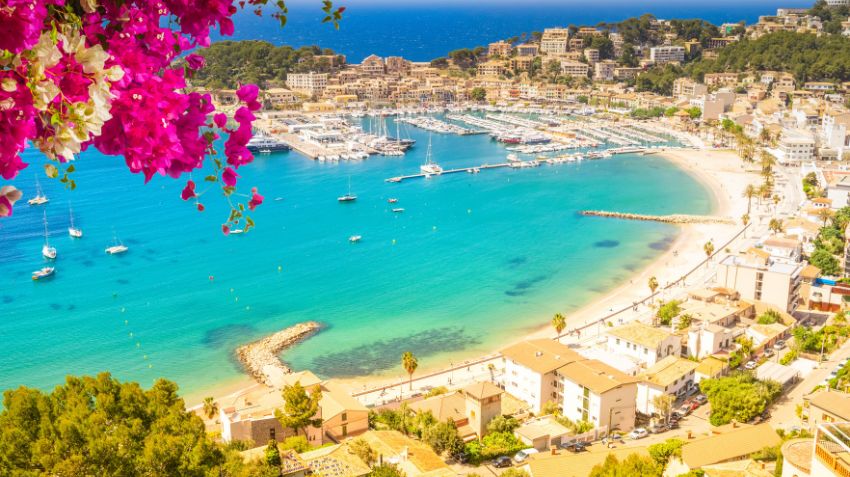
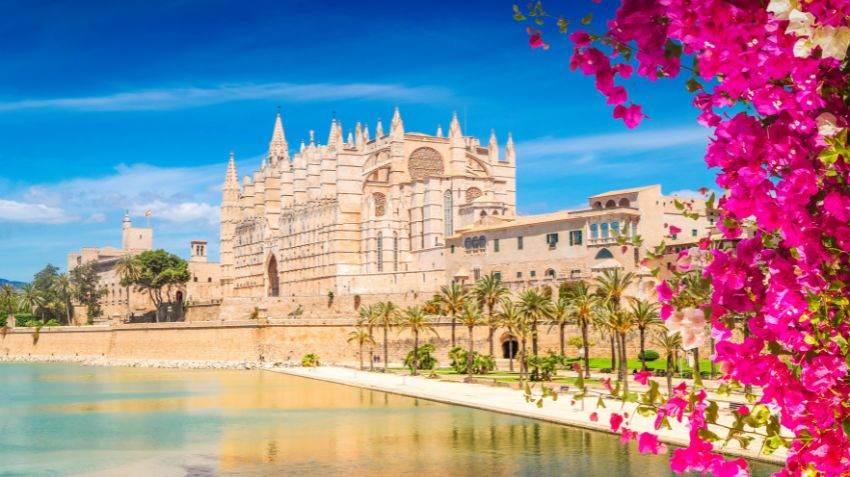
Palma de Mallorca has a way of making the first afternoon feel longer than it should, in the best sense. The cathedral rises over the bay with more presence than photographs suggest, the old town lanes unfold in every direction, and by the time you reach the waterfront for the first time, the day has quietly shifted toward evening without anyone noticing.
This first-time traveler guide to Palma de Mallorca covers the city’s rhythm, best areas, movement patterns, nearby day trips, and who the place actually suits across different travel styles.
Palma is more layered than its beach-and-airport reputation suggests. Beyond the coastline, you’ll find 13th-century Arab baths, the contemporary Es Baluard museum, a strong food scene, nearby beaches, and a seafront promenade that becomes one of the city’s best evening walks.
Summer brings heavy crowds around the cathedral, port and shopping streets, especially from late morning to afternoon. Even then, quieter streets are never far away, and with locals dining after 21:00, the city shifts into a calmer atmosphere after sunset.
What Palma de Mallorca feels like for first-time visitors
The historic center is compact and largely flat, which makes first-day orientation easy. You can walk from the cathedral to the Santa Catalina market in around fifteen minutes, and from the Arab quarter to the port in under ten. The city doesn’t disorient, and the landmarks are placed well enough that most people stop consulting a map by the second morning.
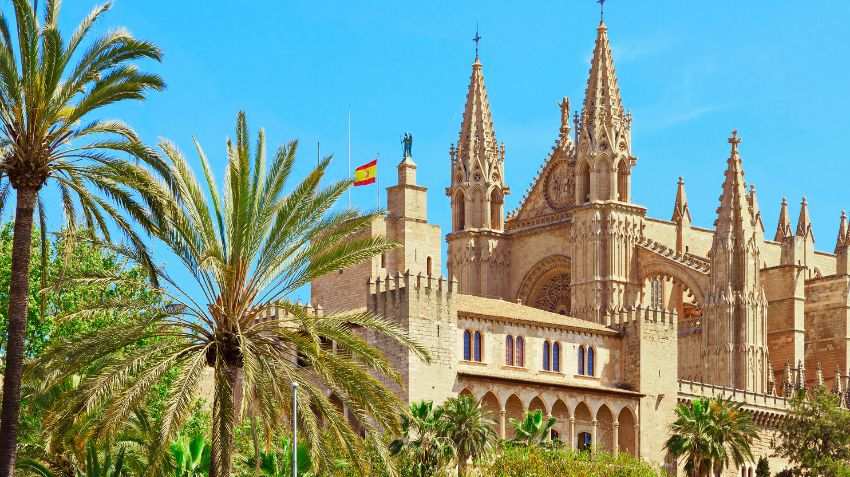
The light in Palma is one of its defining qualities. South-facing and low to the sea, the city catches long afternoon sun on the cathedral’s Gothic stonework and on the pale facades along the Passeig del Born. Around 19:30 in summer, the light on the bay turns the kind of amber that makes the waterfront promenade one of the more quietly appealing places to be in Spain at that hour.
The atmosphere shifts noticeably across the day. Early mornings in the old town are still quiet, with bakeries open and the cathedral square largely empty. From late morning through early afternoon, the visitor activity intensifies around the main sights. From 21:00 onward, Palma reasserts its own character: locals out walking, terraces full, and a certain unhurried dinner-and-conversation rhythm that feels less staged than the daytime tourism version of the same streets.
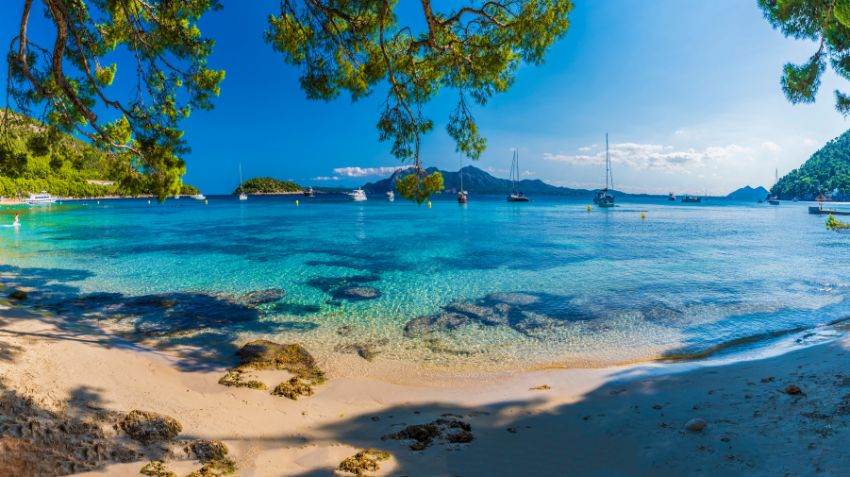
Palma de Mallorca in photos
Is Palma de Mallorca right for your travel style?
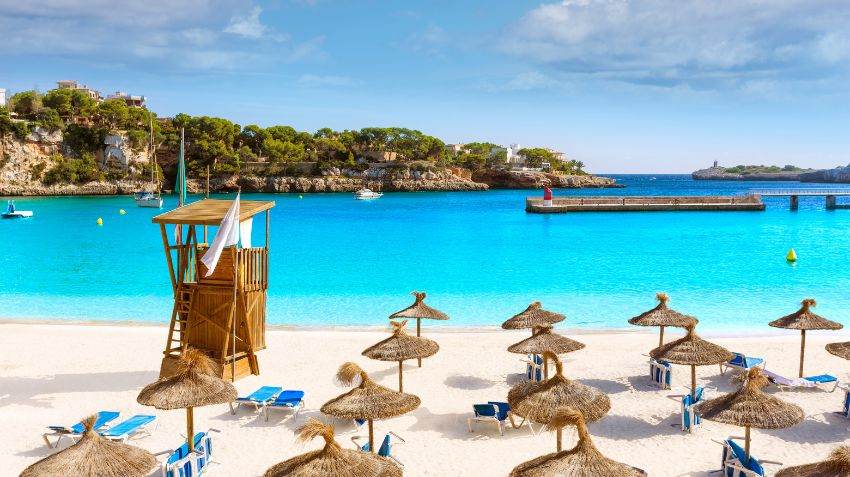
Palma works well for travelers who want both a city experience and coastal access without committing entirely to either. It suits people who read menus carefully, enjoy an afternoon wandering without a fixed destination, and don’t need a packed itinerary to feel like a trip is worth it. The cultural infrastructure is real – museums, galleries, architecture, food markets – and it coexists with beach proximity in a way that most Spanish mainland cities can’t offer.
Travelers who come expecting a quiet, undiscovered island capital may need to adjust their expectations around high summer. The city handles its visitor volume well, and the old town absorbs a considerable number of people without completely losing its character, but it is not a hidden corner of the Mediterranean in July. Those who find the daytime energy too active often shift their days toward earlier mornings and later evenings, which is more or less how the locals structure things anyway.
Solo travelers and couples tend to find Palma particularly comfortable. The city has a social energy that never feels pressured, the restaurant scene ranges from counter seating to long table dinners, and the sense of safety and walkability makes independent exploration easy across neighborhoods. Families with younger children generally land well in the summer months, particularly if they anchor near the bay beaches.
Travelers looking for extended stays of two or more weeks may find the city begins to feel familiar quickly, which is either a feature or a consideration depending on what they are looking for – at that point, the island’s northwest coast and the quieter inland towns start earning more of the day.
If choosing the right base is your next decision, the Valencia neighborhood guide shows how another Mediterranean city organizes its districts for different travel styles.
How to get around Palma de Mallorca as a first-time visitor
The airport sits close to the city, which makes arrival straightforward. The EMT airport bus runs to the center and to the Passeig del Born in around twenty minutes, and the route is well-signed from the terminal. Taxis queue at the arrivals rank. Most hotels in the old town or Santa Catalina area are reachable directly from either option without a transfer.
Inside the city, walking handles the majority of what a first-time visitor will want to do. The historic center, the waterfront, the La Lonja quarter and Santa Catalina are all comfortably connected on foot. EMT city buses cover the wider urban area and the beach zones along the bay; the route network is legible and the stops are reasonably frequent in summer.
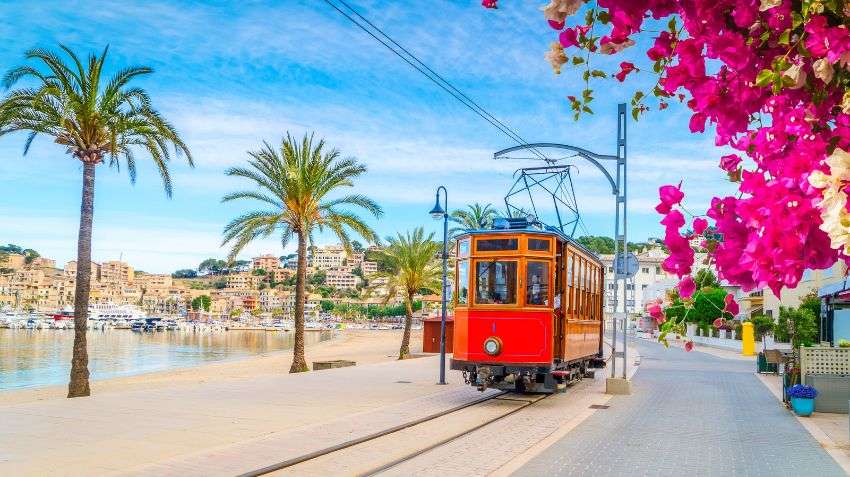
The regional train from Plaça d’Espanya deserves particular mention. The line to Sóller winds through the Tramuntana mountains through tunnels and across old viaducts, arriving at Sóller’s small square in a way that makes the journey itself the point. It runs several times daily and needs no car or planning beyond a basic timetable check. For the rest of the island, renting a car from the airport for two or three days mid-trip opens up the west coast coves and the inland villages in a way that no bus schedule can replicate.
If Mallorca is part of a wider Spain journey, the Spain itinerary guide explains how an island stay fits into a multi-city route.
Best areas and day trips near Palma de Mallorca
Within the city, the choice between the old town and Santa Catalina as a base shapes the daily experience considerably. The old town puts you inside the historic core, close to the cathedral, the Arab baths and the port restaurants; it is livelier, more visited, and carries more ambient noise after dark. Santa Catalina sits a short walk west, with a covered market, a neighborhood feel that persists even in high summer, and an evening terrace scene that tends to run slightly later and feel slightly less tourist-oriented.
Day trips from Palma tend to cluster in two directions. The northwest coast, toward Valldemossa and Deià, rewards anyone who appreciates a combination of mountain-terrace villages and sea views; the drive or bus through the Tramuntana is part of the appeal. The east coast near Artà and the coves around Cala Torta run quieter than the more accessible south and southwest, and for travelers who have already seen the standard beach stops on a previous trip, those quieter eastern bays offer a noticeably different tempo.
Travelers who discover they enjoy Spain’s Mediterranean coastline can also explore the Valencia travel guide for a mainland city with a different coastal rhythm.
Travelers who find themselves curious about another Spanish island after a few days in Palma – something with a different energy and a more concentrated nightlife scene – tend to find the Ibiza first-time guide useful for weighing that particular shift in rhythm and intention before committing to the crossing.
Is Palma de Mallorca worth visiting for a first trip to Spain?
Palma occupies an unusual position for a first-time traveler to Spain: it is a genuine city with cultural weight and serious food, and it sits beside the sea, with beaches reachable in twenty minutes and island landscapes reachable in forty. The combination is not common, and for travelers who are uncertain whether they want a city trip or a coastal one, Palma resolves that question by simply offering both within a single base.
The city suits a particular kind of pace – unhurried but engaged, with enough to explore that three or four days feel full without ever feeling rushed. For travelers who know they want mainland Spain’s energy, the Madrid or Malaga comparison covers that decision more directly.
But for a first visit to Mallorca as part of a broader Spain itinerary, or as a standalone trip that combines architecture, food and coastal access, Palma is a well-functioning base for all of it. The city is easy to read, the rhythm is Mediterranean without being opaque, and the first-time traveler guide to Palma de Mallorca essentially ends the same way every first day there does: later than planned, probably at a waterfront table, in weather that makes it difficult to remember why this wasn’t the plan all along.
Seville or Valencia for a first Spain trip covers how Palma’s island rhythm compares to those two mainland options if you are still building the itinerary and want to understand how the pacing differs across the country.
Palma de Mallorca first-time visitor FAQ: days needed, best areas, summer crowds, transport and island atmosphere
1. How many days do you need in Palma de Mallorca as a first-time visitor?
Three to four days gives a first-time visitor a comfortable read of the city without rushing. That window covers the cathedral, the old town alleys, a day on the beaches near the bay, and an afternoon or evening out toward Valldemossa or Sóller by train.
2. What is the best area to stay in Palma de Mallorca?
The old town, centered around the cathedral and La Lonja quarter, puts you inside the city’s most atmospheric streets and close to the seafront. Santa Catalina, slightly northwest of the center, has a quieter residential rhythm with good restaurants and tends to feel less visitor-heavy by evening.
3. Is Palma de Mallorca worth visiting in summer or is it too crowded?
Summer brings the city to full energy, with the waterfront terraces, beach clubs and evening promenade all at their liveliest. The old town is busiest between late morning and early afternoon; mornings before 09:00 and evenings from around 20:00 onward carry a different, calmer character that most first-time visitors find genuinely rewarding.
4. Can you visit Palma de Mallorca without a car?
The city itself is easy to explore on foot or by bus, and the historic center is compact enough that most visitors rarely need transport within it. The train to Sóller runs from Palma’s Plaça d’Espanya and is one of the more pleasurable ways to reach the northwest coast without a car.
5. What is the atmosphere like in Palma de Mallorca compared to other Spanish cities?
Palma sits somewhere between a relaxed island capital and a city with genuine cultural and culinary depth, closer in pace to Valencia than to Madrid, but with its own Mediterranean island rhythm. Evenings settle slowly, dinner moves late, and the streets near the port carry that particular combination of sea air and terrace conversation that feels distinctly Mallorcan.