
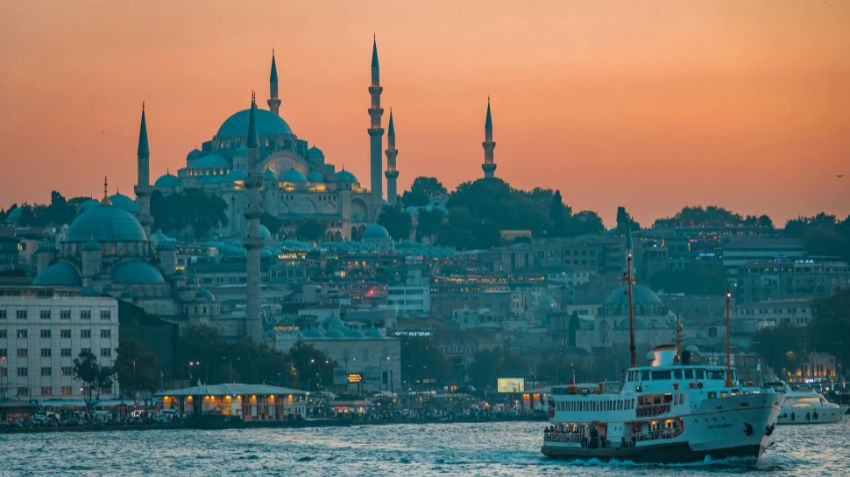
Istanbul arrives all at once: water, minarets and a city stretched across two continents. Ankara feels quieter and more deliberate, functioning as a capital rather than performing as one. For travelers comparing Ankara or Istanbul for a first trip to Turkey, the real question is not which city is better, but which kind of trip they want.
In July, Istanbul’s historic districts run at a high tempo from mid-morning, while Ankara follows a more local rhythm with fewer tourist-shaped patterns. For most first-time visitors, the choice is not especially close, but the reasons are worth understanding before booking.
Ankara and Istanbul in photos
What Istanbul and Ankara feel like for first-time visitors
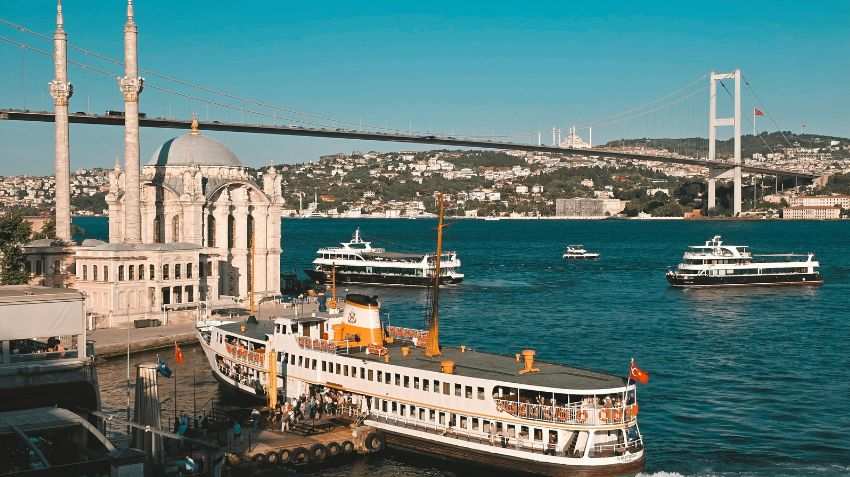
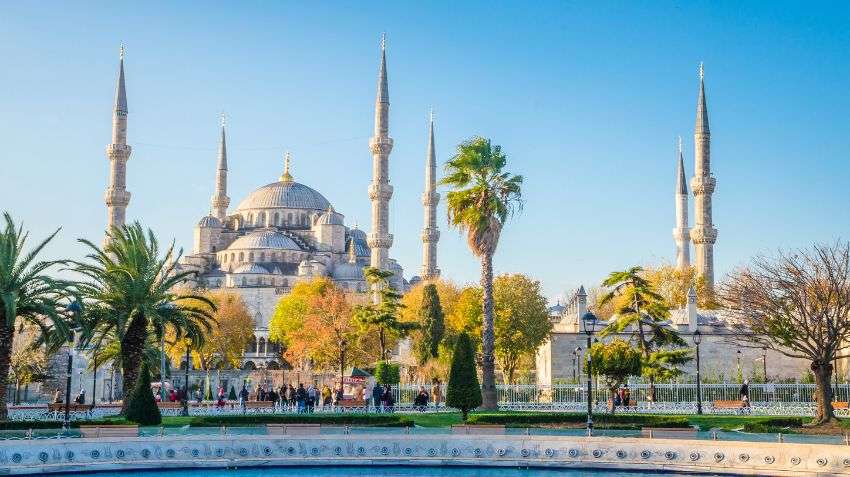
Istanbul is one of those cities where the map and the experience diverge almost immediately. Sultanahmet looks compact until you realize the Blue Mosque and Hagia Sophia are only the beginning, and that Beyoğlu, Karaköy and the Asian side each hold their own distinct atmosphere. The city rewards extended time partly because it keeps offering new registers: the Bosphorus at dawn, the ferry crossing to Kadıköy in the early evening, the covered markets well before the tourist wave arrives around 10:00.
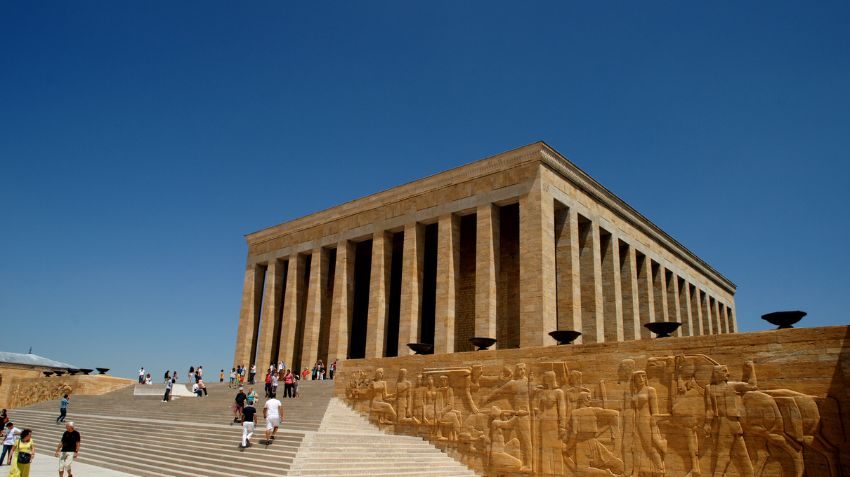
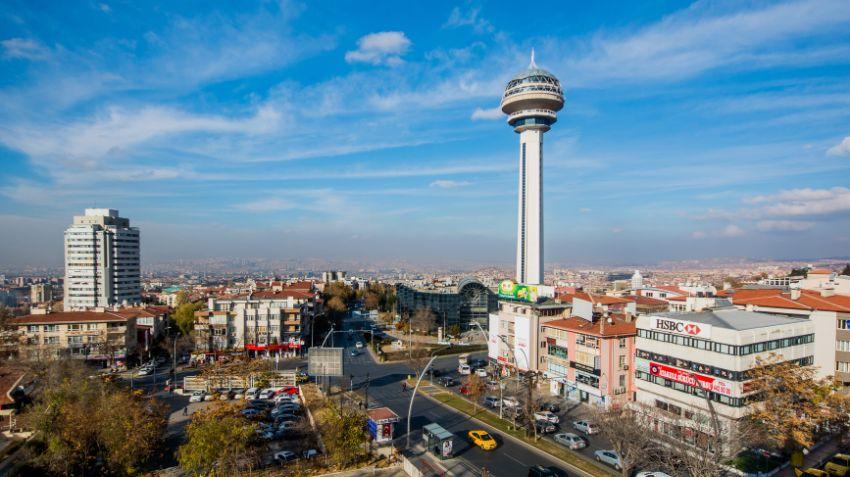
Ankara is a planned capital, and it reads like one. Wide avenues, embassies, ministries – the city was designed for function more than for wandering. That said, the older neighborhoods of Hamamönü and the Citadel area carry real texture, and the Museum of Anatolian Civilizations is among the strongest archaeology collections in the region, which tends to surprise visitors who arrive with low expectations. Evenings around Kızılay and the Tunalı Hilmi strip feel genuinely local – people eating, walking, sitting outside without much tourist infrastructure around them.
The sensory difference is significant. Istanbul is loud in the way port cities tend to be: ferry horns, call to prayer bouncing off stone hillsides, tea glasses on metal trays, the particular energy of a city that never fully stops. Ankara is quieter by a register or two. Not sleepy, but composed.
Istanbul or Ankara: which city fits your travel style?
Istanbul is the obvious answer for most first-time visitors to Turkey, and for good reason. If your trip is built around atmosphere, historic density, food variety, and the experience of moving between European and Asian sides of a city, Istanbul provides all of that within walking distance or a short ferry ride.
Ankara suits a different kind of traveler. Someone who finds tourist-heavy environments tiring after a few days, or who is specifically interested in Turkish political and cultural history, or who is using the capital as a logical transit point toward Cappadocia. The city does not perform for visitors the way Istanbul does, which is either a drawback or the whole point depending on who you are.
The honest fit question is whether you want to experience Turkey through its most layered, historically dense city or through something that feels closer to how Turks actually move through ordinary life. Travelers who realize they want that quieter civic register often land in Ankara and find it more satisfying than they expected – particularly when they spend an evening in a neighborhood restaurant where the menu is only in Turkish and everyone around them is clearly a local.
Travelers choosing Istanbul for their first stop can use the first-time Istanbul guide to understand its neighborhoods, transport, daily rhythm and the amount of time the city realistically needs.
How to pace Istanbul and Ankara as a first-time visitor to Turkey
Most itineraries that include both cities use the high-speed rail connection between them – currently around four to five hours, reliable and comfortable enough that the train functions as a practical intercity link rather than a minor ordeal. The usual sequence is Istanbul first, Ankara second, then onward toward Cappadocia or the Aegean coast. Running it in reverse works if you are arriving via Ankara’s airport, but Istanbul tends to be the stronger opening.
In Istanbul, three to four days gives enough time to cover the main historic sites without compressing them, explore at least one neighborhood beyond Sultanahmet, and spend an evening properly on the Asian side. Five days opens up slower mornings, market time, and the kind of aimless afternoon walk through Balat or Galata that tends to be what people actually remember. July crowds are real in the main corridors – arriving at Topkapi or Hagia Sophia before 09:00 makes a clear difference.
Ankara sits more naturally as a one or two day stop. The citadel and museum fill a morning well; the afternoon is better spent in Hamamönü or simply sitting in a tea garden above the city. The city’s higher elevation means July evenings cool noticeably, which is its own quiet advantage over the coast.
For travelers weighing a coastal extension after Istanbul, the Antalya first-time visitor read covers what the Mediterranean coast adds to a Turkey trip and whether it belongs at the beginning or the end.
Best day trips from Istanbul and Ankara and where to go next
Istanbul’s geography makes day trips feel natural. Princes’ Islands sit forty minutes offshore by ferry; the departure from Eminönü in the early morning is one of those small urban pleasures that becomes a ritual quickly. Edirne to the northwest is three hours by bus and holds serious Ottoman architecture with almost no visitor activity. Bursa is another half-day or full-day option – the green city across the sea of Marmara, less known internationally than its history warrants.
Ankara is better positioned as a transit node than as a day-trip base. Its main surrounding draw is Gordion, the ancient Phrygian capital, which few visitors bother with but which rewards anyone with an interest in pre-classical Anatolia. More practically, Ankara is three hours from Cappadocia by overnight bus or train, which makes it a logical staging point for travelers building a broader loop rather than a return trip to Istanbul.
Travelers using Ankara and Istanbul as part of a wider route can follow the Turkey loop itinerary to understand how the major cities, Cappadocia and the coast can be sequenced without unnecessary backtracking.
If the trip extends toward the southern coast and you are trying to decide how much coastal time it earns, the Ankara or Antalya comparison covers that particular trade-off in detail – including who the coastal option actually suits and when the capital becomes the stronger choice.
Is Istanbul worth it in summer, and does Ankara offer a real alternative?
Istanbul in July is genuinely busy. The Sultanahmet corridor between the major monuments runs thick from mid-morning to early evening, and the ferry terminals at Eminönü fill with both tourists and commuters in a way that can feel relentless. But the city has enough neighborhoods and enough hours in the day that the busy periods are manageable once you stop treating them as the only option. Neighborhoods like Üsküdar on the Asian side, or Fener and Balat on the European shore, run at a noticeably quieter register even in peak summer.
Ankara is simply less visited and that is reflected in the pace. No queues at the museum, no competition for tables at lunch, no guided tour groups moving through the citadel. For travelers who find the density of popular summer destinations genuinely wearing after a few days, Ankara offers a real change of register – not as a lesser Istanbul but as a different kind of city entirely.
The neighborhood-level read for Istanbul, including where to stay based on your pacing preferences and which areas absorb summer activity most gracefully, sits in the best areas to stay in Istanbul guide.
Is Ankara or Istanbul the right choice for your Turkey trip?
For most people doing Turkey for the first time, Istanbul is where the trip should begin and where most of the time should sit. The historic depth, the waterfront atmosphere, the food, the movement between European and Asian neighborhoods – these are not things Ankara approximates. They are specific to Istanbul and worth the summer activity that comes with them.
Ankara earns its place in a trip as a stop rather than a base, or as the anchor for travelers who specifically want a city that functions like a capital rather than a museum. The two days there tend to be among the more memorable for the right traveler: the museum is excellent, the evenings are quiet and genuinely local, and the city has a composed quality that stays with you after you leave.
Ankara vs Istanbul FAQ: first visit, summer pacing, trip length, combining both cities and traveler fit
1. Is Ankara or Istanbul better for a first visit to Turkey?
Istanbul is the stronger first visit for most travelers. The concentration of historic sites, waterfront districts and evening atmosphere is hard to match. Ankara works well as a second trip or as a calmer entry point for travelers who prefer a less tourist-oriented city.
2. How long should you spend in Istanbul versus Ankara?
Istanbul holds three to five days comfortably without repetition, and some travelers extend further into neighborhoods like Karaköy or Kadıköy. Ankara rarely needs more than one or two days for most visitors; it works well as a stop rather than a base.
3. Is Istanbul too crowded in summer for a first-time visitor?
The historic core around Sultanahmet is at its most active in July and August, with queues forming early at major sites. Moving the day earlier or shifting to neighborhoods like Balat or Üsküdar gives a noticeably different rhythm while staying connected to the city.
4. Can you combine Ankara and Istanbul in one trip?
Yes, and the high-speed train between them runs in around four to five hours, making the connection practical. Travelers usually anchor in Istanbul first, spend a day or two in Ankara, then continue toward Cappadocia or the coast rather than returning.
5. What kind of traveler does Ankara actually suit?
Ankara fits travelers interested in modern Turkish civic life, the Museum of Anatolian Civilizations, and a city where the tourist layer is thin. The pace is deliberate, the center is walkable, and evenings around Kızılay or Tunalı Hilmi carry a local energy that Istanbul’s tourist zones rarely offer.