
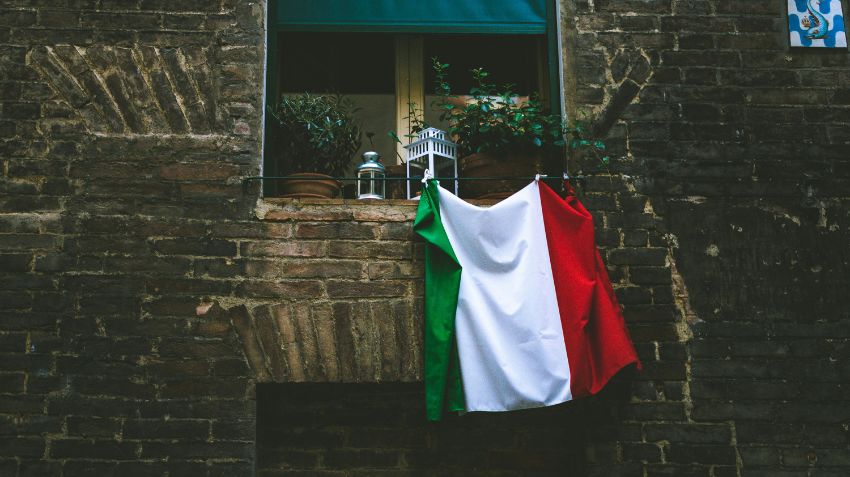
The question of Turin or Florence tends to surface once a traveler has already ruled out the obvious Italian arc and is looking for something more considered. Both cities carry serious weight – historically, gastronomically, architecturally – but they operate on completely different frequencies, and arriving in one expecting the other is a reliable way to miss both.
Florence is one of Europe’s most concentrated repositories of Renaissance art and architecture, compressed into a walkable centre that most visitors can cross in twenty minutes.
Turin is a Baroque grid city in the northwest, closer to the Alps than to Rome, with a social rhythm built around markets, portico-covered streets and an aperitivo culture that treats the early evening as a serious institution. The comparison is less about quality and more about register: which kind of Italian city do you actually want to inhabit right now?
What Turin and Florence actually feel like for visitors
Florence is a city that rewards arrival at 07:30. The light on the Duomo before the crowds form, the stone streets still cool from the night, the first espresso at a counter with nothing to compete for your attention – that version of Florence is genuinely one of the more arresting urban experiences in Europe.
By 11:00 it has shifted register entirely. The narrow lanes around Santa Croce fill steadily; the main corridors between the Piazza della Signoria and the Ponte Vecchio become the kind of walking you do with your elbows out.
Turin’s daily rhythm runs almost in the opposite direction. Mornings in the Quadrilatero Romano or along the Via Po arcades are quiet enough to hear your footsteps. The city does not particularly perform itself for visitors before noon. By late afternoon, particularly on weekdays, something changes: the covered arcades fill with locals stopping between work and dinner, the enoteca and bar counters come alive, and the aperitivo hour turns into a genuinely social event that runs until 21:00 and beyond. That is the moment Turin is most itself.
The physical experience of both cities also diverges. Florence is mostly flat but its main sites are close enough together that you cross the same ground repeatedly; the Oltrarno climbs toward Piazzale Michelangelo, which at sunset casts amber light across the roofline of the city below – worth the ascent, and considerably more pleasant after 18:00 than at 15:00 in August. Turin is a flat grid with almost no gradient, which makes it easy to cover long distances without noticing.
Turin and Florence in photos
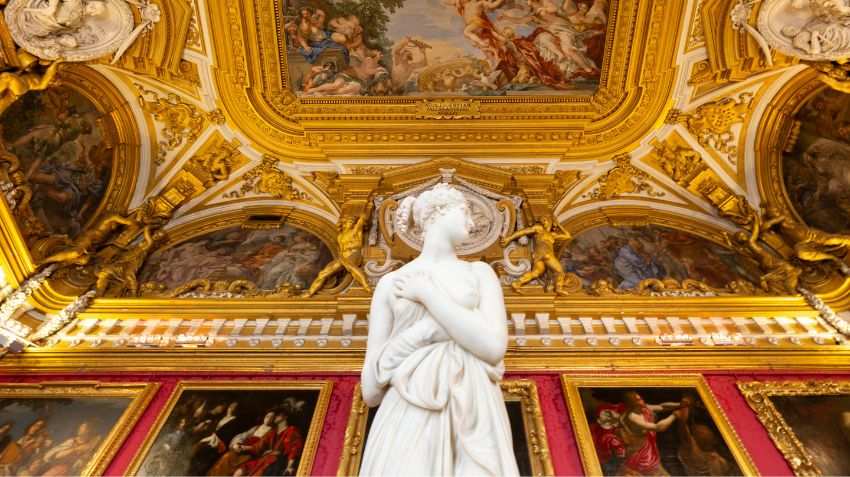
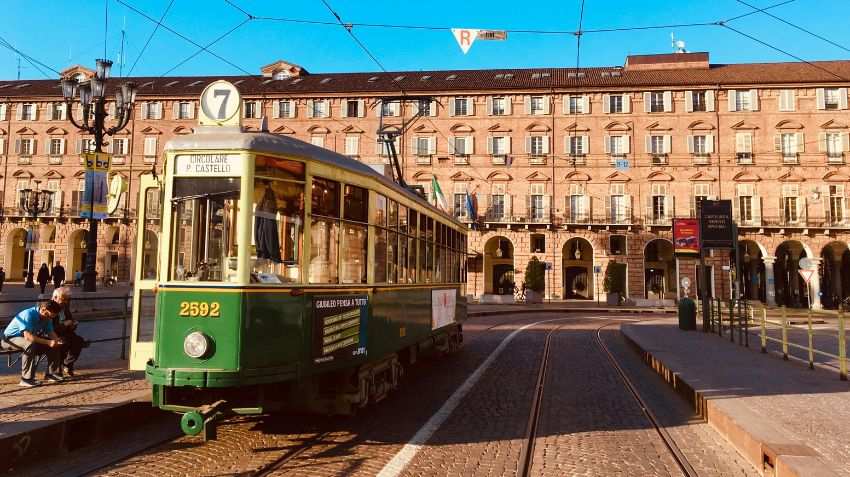
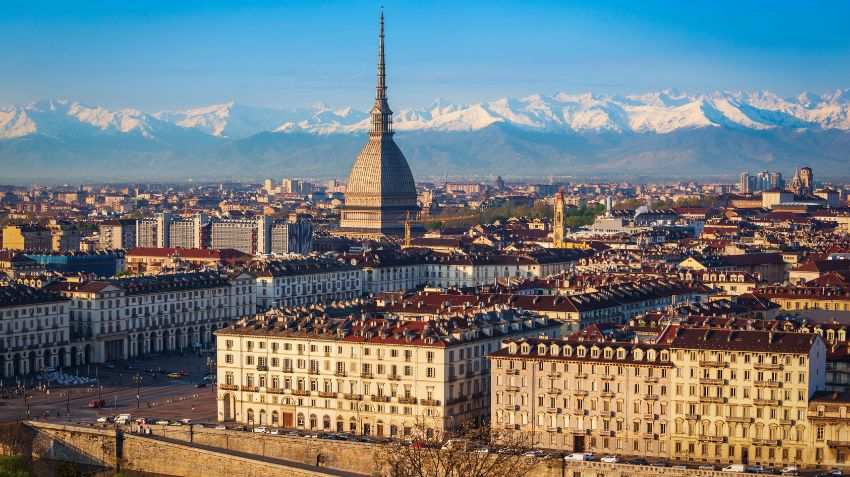
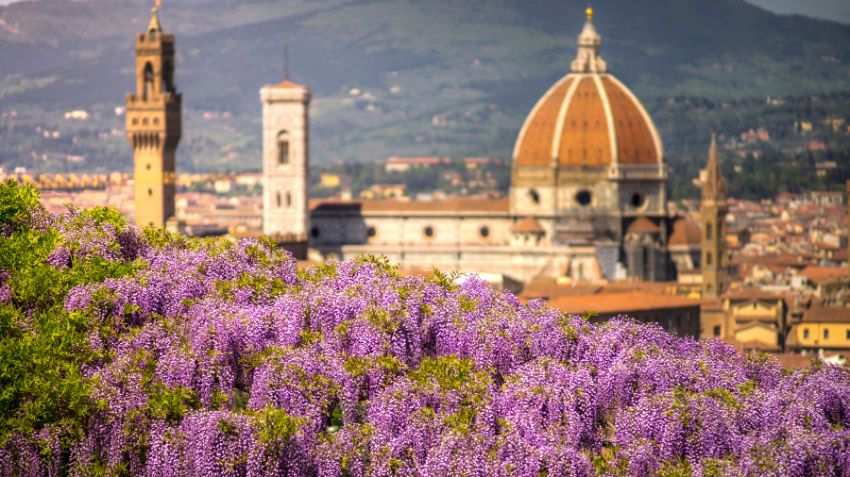
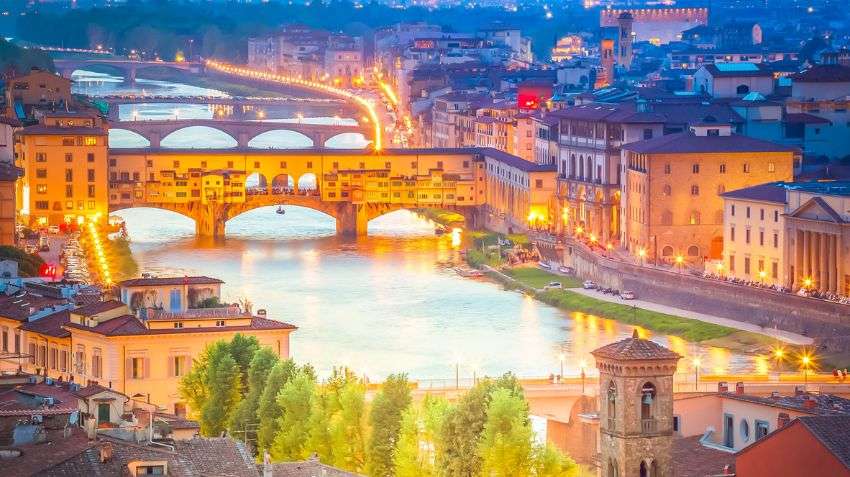
Turin or Florence: which city suits your travel style?
Florence is the right choice when the primary impulse is to be inside some of the most significant art and architecture in the Western tradition. The Uffizi, the Bargello, Santa Croce, the Baptistery, the view from Piazzale Michelangelo – these are not incidental to the city, they are the city. Travelers who want that singular density of cultural experience, and who can structure their days around early starts and mid-afternoon rest, tend to leave Florence deeply satisfied.
Turin suits a different temperament. It works for travelers who want to eat very well without reservations being a competitive sport, who enjoy walking a city that does not feel like it is performing for them, and who find pleasure in the texture of an ordinary Italian weekday: a market in the morning, a slow lunch, an afternoon in a museum that is not the most famous one in Europe, an aperitivo that turns into dinner without anyone quite noticing the transition. Remote workers and longer-stay travelers tend to find Turin more habitable precisely because local life has not been reorganised around tourist flows.
The fit shifts for travelers who want a short trip with maximum visual impact. Two days in Florence can be genuinely extraordinary. Two days in Turin is a reasonable introduction, but the city opens more slowly and rewards a longer stay more than Florence does.
If Florence already feels like the better fit, the Florence travel guide explains how to pace the city beyond this comparison.
How the pacing works in Turin and Florence across a summer trip
In Florence, the rhythm that actually works in summer is aggressive early, slow midday. The major sites – particularly the Uffizi and the Accademia – are best approached with timed entry booked in advance for first thing in the morning. By early afternoon the city’s stone-trapped heat and visitor tempo combine into something that naturally pushes people toward cafes, covered passages, and the cooler interiors of less-visited churches.
The Oltrarno neighbourhood across the river, slightly removed from the main tourist corridor, tends to keep its own quieter rhythm even in peak weeks, and the streets around Santo Spirito in the early evening carry a local character that the north bank largely loses in July.
Turin has no equivalent pressure on timing. The Egyptian Museum – one of the most significant collections of its kind in Europe – rarely requires advance booking in the same urgent sense. The Porta Palazzo market, one of the largest open-air markets in the continent, runs through the morning and simply winds down rather than becoming impassable. The pace of the city is local rather than visitor-driven, which means you can arrive at a restaurant at 20:00 without a two-week-old reservation and generally find a table.
Travelers comparing Florence with another iconic northern Italian destination may also find the Florence or Venice comparison useful before finalizing their route.
Travel between the two cities takes roughly one hour and forty-five minutes on the high-speed rail connection, which makes sequencing realistic. Most travelers who do both find that starting in Turin and ending in Florence works better than the reverse: arriving into the calmer city first, then moving toward Florence’s more concentrated energy. Doing it the other way can make Turin feel anticlimactic after Florence’s visual density, even though that reading misses what Turin actually is.
Travelers weighing this against a broader northern Italy loop – adding Milan or Bologna into the sequence – will find the Italy classic rail loop read useful for thinking through route order and how the pacing accumulates across cities.
What sits near Turin and Florence, and where to continue
Turin’s position in the northwest makes it a natural base for the Piedmont wine country, which reaches its most rewarding form in late September and October when the harvest is in and the crowd rhythm has completely changed. The Langhe hills around Alba and Barolo are under ninety minutes away, and that day-trip extension is part of what makes a longer stay in Turin feel generative rather than static.
Florence connects naturally southward toward Siena and the Chianti, and northward toward Bologna. The Bologna connection is particularly underrated: the city is forty minutes by fast train, operates at a lower visitor tempo than Florence, and carries a food culture that many people find warmer and less organised around the tourist gaze.
If you’re also considering Italy’s largest northern city, the Venice or Milan comparison explores a different choice in travel rhythm, architecture, and urban atmosphere.
Travelers who find Florence’s peak-summer register a little concentrated sometimes use Bologna as a decompression stop before or after. The Bologna first-visit read covers that city’s particular rhythm and what it adds to a central Italy sequence.
For travelers considering the Palermo or southern Italy alternative to this whole northern comparison, the contrast in register is significant enough to deserve its own thinking. The Palermo neighbourhood comparison covers a city that operates on a completely different social and temporal logic from either Turin or Florence.
Is choosing Turin over Florence worth it for your trip?
The question of Turin vs Florence does not have a universal answer, but it does have a traveler-specific one. Florence is close to essential for anyone on a first visit to Italy who wants to understand what Renaissance urban culture looks like in concentrated form. It delivers that with a density and quality that justifies the visitor tempo around it. The key is timing: early mornings, booked entries, and a willingness to retreat south of the Arno in the afternoons.
Turin suits a traveler who has already done the obvious Italian circuit, or who is not primarily motivated by art-historical weight and wants to inhabit a city that functions on Italian local time. Its food culture – the aperitivo tradition, the Piedmontese market ingredient base, the coffee culture that locals take seriously in a competitive sense – rewards genuine engagement rather than tourist-track following.
If the northern Italy comparison is pulling you toward a fuller picture of the region, the Turin neighborhood and day trips guide covers how to structure time in the city beyond the obvious museum circuit.
In summer specifically, the gap between them widens. Florence in July is extraordinary and demanding in roughly equal measure. Turin in July is calm enough to feel like a different trip entirely. The right choice depends entirely on what kind of Italian experience you are actually looking for – and being honest about that question before you book is what makes the difference.
Turin vs Florence FAQ: summer visit, pacing, differences, slow travel and itinerary
1. Is Turin or Florence better for a summer visit?
Turin runs at a lower visitor tempo in summer, which means its streets, restaurants and museums feel noticeably calmer than Florence in July and August. Florence carries more concentrated historic weight in a smaller area, but also a heavier crowd rhythm through its peak window. If heat and peak activity in a southern-facing Arno basin city sounds like a lot to navigate in July, Turin tends to suit a slower-paced summer trip more naturally – and the evening aperitivo hour gives the city a particular warmth once the day cools.
2. What is the main difference between Turin and Florence as travel destinations?
The clearest difference is atmosphere and register. Florence is a Renaissance art city where almost everything a visitor wants sits inside a concentrated historic centre, making it visually intense and relatively easy to read. Turin is a Baroque grid city with a slower social rhythm, a strong food and market culture, and an aperitivo-hour that genuinely organises the local evening in a way Florence’s does not. Both cities are serious travel destinations; they just operate on different emotional frequencies.
3. How long should you spend in Turin versus Florence?
Florence tends to reward two to three days for a first visit, with its signature sites reachable in that window if you book ahead and start early. Turin asks for at least two days to move past its museums and into the neighbourhood rhythm that defines it, and rewards three to four days for travelers who want to use it as a slower base. The two cities work well in sequence on a northern Italy loop, with Turin first generally making for a better pacing arc.
4. Is Turin a good alternative to Florence for slow travelers?
Turin fits slow travel more naturally than Florence does. Its portico-covered streets, market rhythm and aperitivo culture create a daily structure that is easy to inhabit without feeling like you are moving through an itinerary. By the second evening, the cadence of the city – morning market, slow afternoon, long aperitivo – tends to settle in quietly, which is the kind of rhythm slow travelers come looking for.
5. Can you visit both Turin and Florence on the same trip?
The two cities connect by direct high-speed train, making them a natural pairing on a northern or central Italy itinerary. Visiting Turin before Florence works better for most travelers as a sequencing choice – arriving into the calmer city first, then moving toward Florence’s more concentrated register. The contrast between them is part of what makes the pairing rewarding, and the rail journey between them is short enough that it feels like a transition rather than a disruption.