
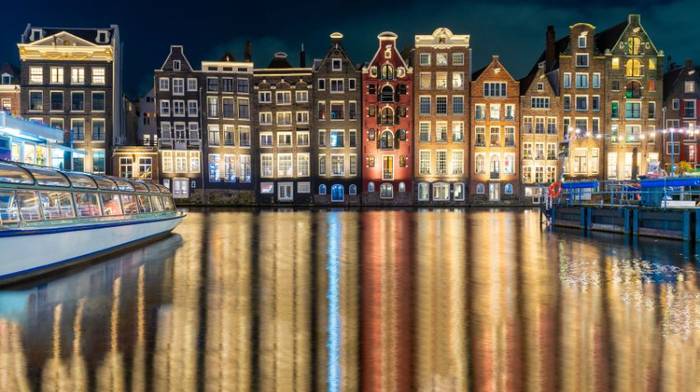
Amsterdam in early summer has a specific quality in the morning, before the main visitor wave arrives: quiet canals reflecting a low northern light, bakeries opening on side streets, cyclists moving with a pace that feels unhurried. That window is real, and it is part of what makes a budget travel guide to Amsterdam worth reading carefully, because the city is genuinely expensive – but not uniformly, and not inevitably.
The cost of Amsterdam tends to be front-loaded: accommodation in the centre, museum entry, and drinks in the tourist corridors near Leidseplein can consume a daily budget faster than expected. But the city also has a different layer – markets, parks, free ferry crossings, canal-side streets where a coffee and a bench do more than a guided tour. Knowing which layer you are moving through matters more than knowing the exact price of everything.
Travelers planning a broader trip across the country may also find the Netherlands itinerary guide useful for deciding how Amsterdam fits into a multi-city route.
This guide is about the trade-offs. What it actually costs, which parts of the city make a tight budget feel comfortable, when to go, and when the numbers shift enough that Rotterdam or Utrecht start looking like the smarter base.
Amsterdam travel costs: what to expect
The floor for a genuine budget day in Amsterdam sits around €50-60 per person, and that requires some effort: a hostel dorm or a budget hotel outside the canal ring, a supermarket lunch from Albert Heijn, transit on foot or a day tram card (around €9 for 24 hours on the GVB network), and free outdoor spaces filling most of the afternoon. That budget does not include a museum, a restaurant dinner, or a canal boat.
Add one major museum – the Rijksmuseum runs €22.50, the Van Gogh Museum €22, the Anne Frank House €16 with advance booking – and the daily number moves to €75-90. Two museums in one day, a restaurant dinner, and drinks afterward puts most travelers well past €120. Neither figure is unreasonable for Western Europe, but the pacing of spending matters: Amsterdam rewards the traveler who front-loads the paid experiences in the first two days and then shifts into the city’s free register for the remainder.
Accommodation is the biggest variable. A hostel dorm in summer runs €30-55 per night. Budget hotels in De Pijp or near Amsterdam Oost start around €90-110 for a double. Anything with a canal view or a Jordaan address adds €40-60 immediately. Booking in early June or September rather than late July or August moves those numbers down by 15-25%.
Best areas to stay in Amsterdam on a budget
The canal ring centre – the concentric arcs of Herengracht, Keizersgracht, Prinsengracht – is where most visitors want to be, and where the daily cost is highest. It is also genuinely beautiful to walk through, and walking it is free. The strategic move for budget travelers is to stay nearby without staying inside it.
De Pijp sits just south of the Rijksmuseum, connected by a short tram or a 20-minute walk across Museumplein. The Albert Cuypmarkt runs along its main street most mornings: street food, fresh produce, cheap lunch options, and a pace that feels more neighbourhood than tourist corridor. Accommodation here runs slightly lower than the canal ring, and the tram network makes the rest of the city reachable in under 20 minutes.
Travelers comparing accommodation options across the city may also find the Amsterdam neighborhood guide useful for choosing the right base.
Amsterdam Noord, across the IJ by free ferry from behind Centraal Station, has a different character entirely – wider streets, post-industrial spaces, fewer tourists, and significantly cheaper cafes and restaurants. The ferry takes five minutes and runs continuously. Travelers who spend a full afternoon in Noord and return by the evening ferry often describe it as the part of the trip that felt most like a real city rather than a tourist experience.
The Jordaan is expensive to stay in but free to walk through. It is denser and quieter than the main canals, with small squares, independent shops, and a midweek afternoon rhythm that the more central areas rarely reach. Morning is the best time: fewer visitors, open bakeries, and the light on the houseboats before the tour groups arrive.
Getting around Amsterdam on a budget
Amsterdam’s walking distances are deceptive. The city looks compact on a map, but the canal ring adds lateral distance to almost every route, and the paving surface – stone and brick throughout the centre – means most people notice tired feet by the second day. A realistic walking day covers 10-15km without much effort, but planned sightseeing on foot across the full city can extend that considerably.
The tram network covers the main visitor axis well. Lines 2, 11, and 12 connect Centraal Station to Leidseplein, Museumplein, and De Pijp efficiently, and the 24-hour GVB day card makes unlimited use practical if you are crossing the city more than twice. Cycling is the faster option for locals and practiced visitors, but rental costs (€12-18 per day for a basic bike) add up over a longer stay, and the cyclist density on the main routes can be dense on arrival.
A reasonable three-day structure: the first day on foot through the canal ring and Jordaan with one major museum; the second day in De Pijp with the market in the morning and the free ferry to Noord in the afternoon; the third day slower, with Vondelpark, a second museum if the budget allows, and a long evening walk along the Prinsengracht. That pacing keeps costs controlled and covers the parts of Amsterdam that leave an impression beyond the obvious.
Travelers weighing a longer stay in the Netherlands often find that sequencing Amsterdam first, then following the Rotterdam budget and pacing read for the second city, works better than the reverse – Rotterdam’s lower daily costs feel like a natural continuation rather than a retreat.
Best time to visit Amsterdam on a budget
Late June through August is when Amsterdam reaches its highest visitor activity and its highest prices. The canal ring is genuinely busy by mid-morning, museum queues extend outside, and accommodation costs are at their peak. The long days are real compensation: light until nearly 22:00, evening terrace activity on most streets, and a city that feels fully awake. But the summer version of Amsterdam requires more planning and more budget than the same trip taken in May or September.
May is a strong window. Accommodation prices are lower than July or August, the city has energy from the spring tulip season carrying over, and the weather is mild enough for the outdoor rhythm that defines the city. September is similarly useful: the main summer wave has passed, prices drop, and the canal light in early autumn has a particular quality in the late afternoon that the summer haze does not produce.
November through February is the cheapest window by a significant margin and suits a specific kind of trip. Dusk arrives around 16:30, which changes the sightseeing structure entirely: mornings become more important, museums more central, and the canal reflections in the late afternoon light have a quietly atmospheric quality that the summer version of the city does not replicate. The city is quieter, more residential, and for travelers who prefer that register, the winter cost advantage is genuine.
If this is your first visit to the Netherlands, the Amsterdam travel guide provides a broader overview of the city’s rhythm, neighborhoods, and planning considerations.
Cheaper alternatives to Amsterdam: Rotterdam or Utrecht
For travelers who want the Netherlands at a lower daily cost without sacrificing urban character, both Rotterdam and Utrecht sit within 40 minutes on the intercity train from Amsterdam.
Rotterdam operates at a different scale and a different aesthetic entirely. Post-war architecture, a working port, wider streets, and a food scene that has been developing steadily for over a decade. Accommodation runs noticeably cheaper than Amsterdam, and the day-to-day cost of eating and moving around is lower.
It suits travelers who find Amsterdam’s density slightly relentless after two or three days – not as a consolation prize, but as a different kind of Dutch city experience. The Rotterdam or Utrecht comparison read covers the difference in rhythm and character for travelers still deciding between the two.
Utrecht has a more intimate canal city register – smaller, calmer, easier to navigate on foot, with a university town rhythm that keeps the food and drink scene accessible and affordable. It works particularly well as a half-day or full-day excursion from Amsterdam, or as a base for travelers who want the canal-city atmosphere at a pace that Amsterdam rarely reaches in summer.
Who should visit Amsterdam on a budget?
A tight budget in Amsterdam works most naturally for travelers who prioritise walking and observation over accumulating entry tickets, who are comfortable with hostel accommodation or small budget hotels outside the centre, and who find the free register of the city – markets, parks, canals, Noord – genuinely satisfying rather than a compromise.
It works less well for travelers who want a canal-view room, who want to see four or five major museums, or who plan to eat and drink in the tourist corridors every evening. Those preferences are not wrong; they just mean Amsterdam is not a budget destination in any meaningful sense, and framing the trip accordingly from the start produces a better experience than discovering it on day two.
Solo travelers and couples who move slowly, eat from markets and supermarkets for at least one meal per day, and anchor their paid spending to one or two museum visits tend to find Amsterdam very workable on €60-80 per person per day outside peak summer. Groups have more flexibility on accommodation per-person cost and can share the fixed costs of cooking and day cards more efficiently.
Is Amsterdam worth visiting on a budget?
Amsterdam is expensive relative to most of Europe, and honest about it. The canal ring, the Jordaan, the museum cluster, the market at Albert Cuyp – none of these require a large daily budget to experience, but the accommodation and the museum pass are real costs that need to go into the planning rather than the surprise column. The travelers who get the most from a budget approach here are the ones who have already accepted that Amsterdam requires some spending and have decided where to concentrate it.
Travelers deciding whether Amsterdam is the right Dutch base may also find the Amsterdam or Rotterdam comparison useful before finalizing an itinerary.
The seasonal window matters more than almost any other variable. The difference in accommodation cost and crowd activity between late July and mid-September is significant enough to change the character of the trip, not just the cost. And the free layers of the city – the ferry, the parks, the canal walking, the street market rhythm – are genuinely good, not consolation prizes. That combination of real cost and real free value is what makes the city worth approaching with a budget framework rather than walking away from it entirely.
For most travelers, three to four nights is enough to find the rhythm without the daily cost becoming unsustainable. Any longer than five nights and the case for shifting some days to Rotterdam or Utrecht starts to make practical sense – both for the wallet and for the experience of seeing how the rest of the Netherlands moves.
Frequently asked questions: budget travel in Amsterdam
1. How much does a day in Amsterdam cost on a budget?
A realistic low-budget day in Amsterdam runs roughly €60-90 per person, covering a hostel dorm or budget hotel, transit card, one sit-down meal, and entry to one major museum. Cooking your own food from an Albert Heijn supermarket and focusing on free outdoor spaces like Vondelpark or the canal ring can bring that figure closer to €40-50.
2. Is Amsterdam worth visiting on a tight budget?
Amsterdam works on a tight budget if you treat the city itself as the main attraction. The canal ring, the Jordaan district, and the morning market at Albert Cuypmarkt cost nothing to walk through, and the free ferry across the IJ to Amsterdam Noord adds a different side of the city without spending anything. Museum costs are real, so prioritising one or two rather than collecting them all makes a noticeable difference.
3. When is the cheapest time to visit Amsterdam?
November through February offers the lowest accommodation prices and thinnest crowds. The city has a quieter, more residential feel in winter, with early dusk around 16:30 compressing outdoor sightseeing windows but also making the canal reflections and lit-up facades particularly worth the slower pace. March and early April before tulip season begins are a good shoulder window with rising energy and better rates than summer.
4. Which Amsterdam neighborhood is best for budget travelers?
De Pijp and the eastern edge of the Jordaan tend to offer better accommodation value than the canal ring centre, with good tram connections and a more local daily rhythm. De Pijp has a long-running street market, independent cafes, and a walkable character that makes it easy to spend a full afternoon without much outlay – and the Rijksmuseum is a 20-minute walk away.
5. Are there cheaper cities near Amsterdam worth considering?
Rotterdam and Utrecht both sit within 40 minutes by intercity train and run at noticeably lower daily costs, especially for accommodation. Rotterdam has a different architectural character entirely, with a more open, post-war scale and a food scene that rewards exploration; Utrecht has a smaller, calmer canal city rhythm that some travelers find settles into a more comfortable pace than Amsterdam’s summer density.