
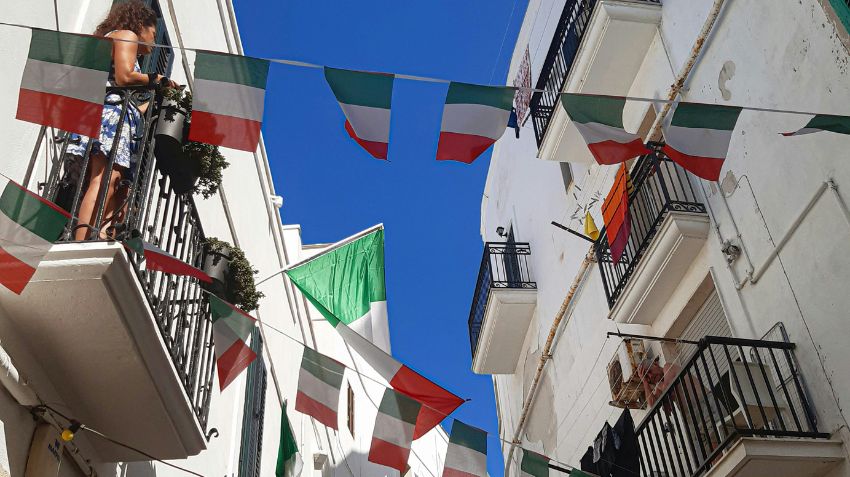
In summer, both destinations are at their liveliest. Rome is warm, busy, and packed with history, food, and constant activity. Como moves at a slower pace, with ferry rides, quiet mornings, and lakeside views shaping the day. Rather than competing, they offer two distinctly different ways to experience Italy.
The question often comes up after booking a flight into Milan or Rome and wondering whether Lake Como belongs in the same trip. Como vs Rome is not a typical comparison: one is a lakeside town of about 80,000 people, the other a capital of nearly three million filled with world-famous landmarks. That contrast is exactly why the choice matters, especially for first-time visitors looking to experience different sides of Italy.
What Como and Rome feel like for first-time visitors to Italy
Como is compact in a way that takes some adjustment if you arrive expecting a destination. The historic centre fits inside a short walk, the waterfront is the organizing principle of the day, and most of the energy worth experiencing sits either on the lake itself or on the hillside above it. The Duomo is beautiful and the covered market square nearby has good coffee, but Como does not ask you to be anywhere specific. It asks you to slow down and let the geography do the work.
Rome asks the opposite. The city rewards sustained movement across neighbourhoods that feel completely distinct from one another — Trastevere at night, the Jewish quarter at lunch, the Campo de’ Fiori in the morning before the tourists arrive. The Vatican alone takes the better part of a day if approached seriously. There is no version of Rome that is casual; even the bars are more layered than they first appear, with counter culture, standing-room culture, and closing-time culture all running on different tracks.
In July, Como’s lakefront becomes busiest through the middle of the day, particularly around the ferry docks when the Bellagio and Varenna boats are loading. The town empties again by early evening when the day visitors leave, and the quieter residential side of the waterfront comes back into focus. Rome holds its afternoon heat in the stone alleys of the historic centre well past sunset, which is why the city’s real rhythm in summer is early mornings and late dinners, with a long pause in the middle.
Como and Rome in photos
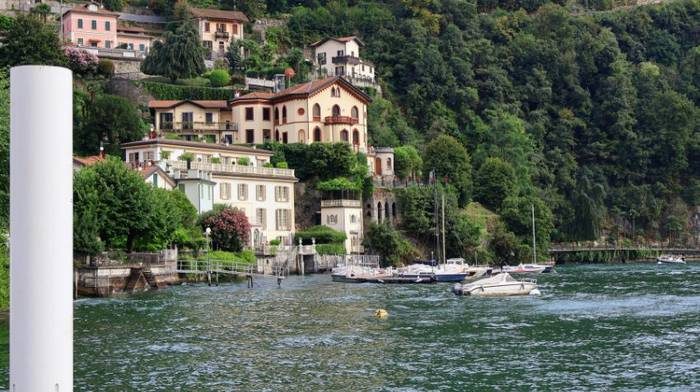
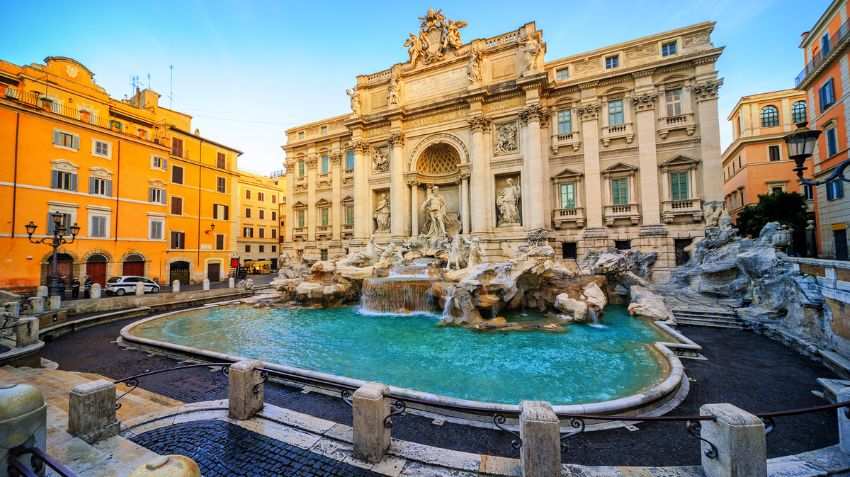
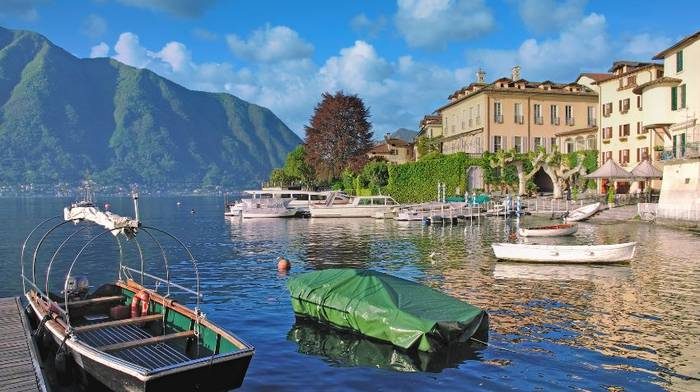
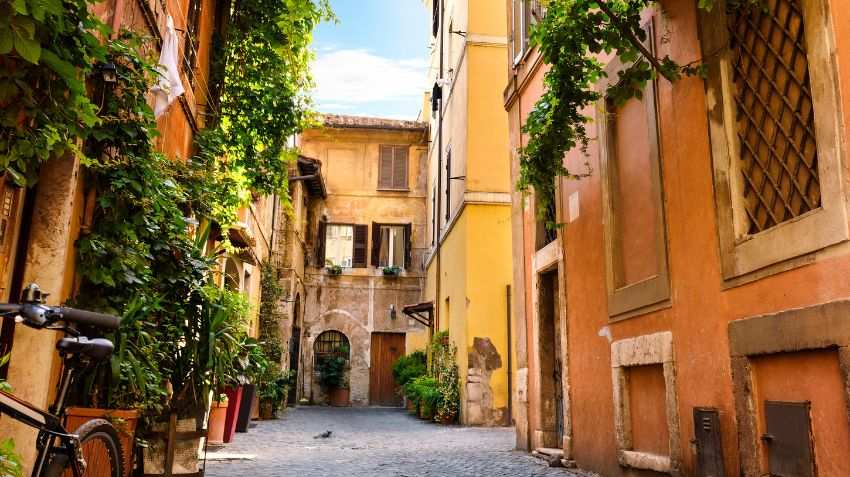
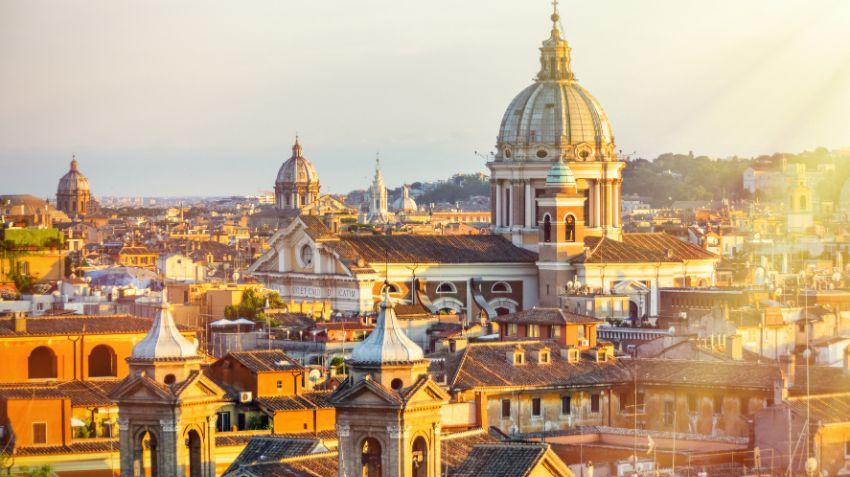
Como or Rome: which Italian city suits your travel style?
Como works best for travelers who want their holiday to have a texture rather than a pace — people who are happy to take the ferry to Bellagio without a structured plan for what happens when they get there, or who would rather spend a morning watching the water from a café than crossing another site off a list. It suits couples looking for a quieter register, travelers arriving from a long-haul flight who want a buffer before engaging with something denser, and anyone for whom the lake is the point rather than the backdrop.
Rome suits first-time visitors to Italy who want to understand what the country’s historical weight actually feels like in person — the Forum, the Borghese gallery, the neighbourhood-level texture of a city that has been continuously inhabited for millennia. It also suits travelers with enough energy to sustain two or three days of serious walking through a warm, dense, stimulating city.
If Rome is the stronger fit, the Rome travel guide explains how to structure a first visit around its historic areas, major sites, and daily rhythm.
Those who find urban intensity high-tempo after the first day often discover that Rome does not have a natural decompression gear — you either find the rhythm or you feel it pressing. Travelers in that second camp usually get more from Como, or from basing themselves in a quieter Rome neighbourhood like Prati rather than near the historic centre.
How to pace Como and Rome as a first-time visitor to Italy
Two nights in Como and four in Rome is a structure that works well for most first-time visitors, particularly if Como functions as the arrival buffer from Milan. The lake town asks very little of you in terms of planning: the ferry timetables do most of the organizing, and two full days is enough to reach Bellagio, walk the Sentiero del Viandante section above the eastern shore, and feel the place settle around you without rushing it.
For those who want to understand Como’s lake town rhythm and day trip structure in more depth before committing to the itinerary, the dedicated Como read covers the ferry logic, the hillside villages, and how to sequence the days without overloading either of them.
Rome’s four to five days unfold differently. The first day typically resolves itself around arrival and neighbourhood orientation. The Colosseum and Forum deserve a morning, not an afternoon, because the light is better and the visitor activity is lighter before noon. The Vatican is its own full day regardless of how you plan it.
Travelers deciding where to base themselves can also use the Rome neighborhood guide to compare Prati, Trastevere, the historic centre, and other practical areas. What remains — Trastevere, the Borghese, the Pantheon district, the Campo de’ Fiori at aperitivo hour — distributes itself naturally across the remaining time if you resist the urge to schedule everything in advance.
Getting between the two is straightforward in structure if slightly long in practice. From Como San Giovanni, a regional train takes roughly 40 minutes to Milan Centrale, and from there high-speed trains to Rome run in around three hours. The full journey is manageable in a single travel day and requires no internal flights. If you are flying into Milan Malpensa rather than Fiumicino, arriving at Como first makes geographic sense and avoids retracing the route.
If Como and Rome are part of a wider rail journey, the Italy itinerary guide shows how the country’s main northern and central stops connect in one route.
Rome’s transit network is extensive and covers the distances between neighbourhoods and major sites well, though the metro layout is limited to two main lines and most movement ends up on foot or by bus. Como’s centre requires no transit at all — the ferry is the main transport system, and the boats between towns are frequent enough through summer that timetable stress is minimal.
Day trips and nearby continuations from Como and Rome
Como’s strongest day trip is Bellagio, which sits at the point where the two arms of the lake meet and carries a different atmosphere from Como town — more polished, with a longer promenade and a better concentration of restaurants. Varenna, on the eastern shore, is quieter still and worth the shorter ferry crossing if you want to walk the narrow lanes that run between the waterfront and the hillside gardens above it. Both are reachable without a car and fit inside a single day with time to spare.
Travelers entering Lake Como through Milan may also find the Milan travel guide useful for deciding whether the city deserves its own stop before the lake.
From Rome, day trip logic depends on how you want to use it. Tivoli and its hillside gardens are a comfortable half-day. Orvieto by train takes just over an hour and offers a completely different spatial register — a hilltop town with its own cathedral and a slower tempo that functions as a genuine contrast to Rome’s density. The Castelli Romani area to the southeast is where Romans themselves go in summer for wine towns and lake swimming, and it is accessible by regional train from Termini.
Travelers weighing whether to add Florence to the loop often find that Rome already delivers enough historical and cultural density for one trip. If a third city is being considered, the Turin vs Florence comparison read covers the trade-off in terms of atmosphere, pacing, and what each one adds to an Italian trip rather than simply duplicating it.
For a sense of what Italy’s budget landscape actually looks like once Rome is in the itinerary, the Rome travel costs read covers accommodation zones, where daily spending rises fastest, and what a realistic daily budget looks like in summer versus shoulder season.
Is Como worth adding to a first trip that already includes Rome?
For most first-time visitors to Italy, yes — with the caveat that Como works best when it is given enough time to function as a proper stop rather than a rushed overnight. One night is not enough to feel the place; two nights is the minimum at which the lake rhythm starts to make sense. If the trip is short and Rome is the priority, it is better to save Como for a return visit than to compress it into a day trip from Milan.
The combination works because the two places ask completely different things of you. Rome is stimulating, layered, and demands engagement; Como is quiet, spatially generous, and rewards patience. Travelers who do both in the same trip often describe arriving in Como feeling like they are still in Rome mode — checking schedules, planning the next thing — and then noticing, usually somewhere around the second morning on the lake, that the pace has shifted without them deciding to change it. That involuntary deceleration is part of what Como offers, and it is genuinely useful before a long flight home or a return to ordinary life.
Como vs Rome is ultimately a question about what kind of first impression you want Italy to make. Rome answers it with weight, history, and a social tempo that carries you through days you will probably remember clearly. Como answers it with light on water, a slower clock, and the kind of afternoon that is difficult to explain afterward but easy to want again.
Como vs Rome FAQ: first visit, pacing, summer heat, combining both cities and traveler fit
1. Is Como or Rome better for a first trip to Italy?
It depends on the kind of experience you are after. Rome is the more complete first-time destination, with major historical sites, a dense neighbourhood fabric, and a strong evening atmosphere. Como suits travelers who want a quieter, slower register — a lake town with good day trips rather than a city built for sustained exploration.
2. Can you visit both Como and Rome on the same trip?
Yes, and many travelers do. The two sit at opposite ends of the Italian mood spectrum, which makes combining them feel intentional rather than scattered. Most itineraries place Como first, using it as an arrival buffer from Milan, then move south to Rome for the final days when energy for city-scale exploration is still high.
3. How far apart are Como and Rome?
By high-speed train, Milan to Rome runs around three hours, and Como is about 40 minutes north of Milan by regional train. The full Como-to-Rome journey typically takes between four and five hours depending on connections, making it a manageable travel day rather than a full-day transit.
4. Is summer a good time to visit both Como and Rome?
Summer works well for Como, where the lake moderates the heat and the afternoon light on the water is one of the season’s defining pleasures. Rome in July is a different proposition: the historic centre is at full visitor activity and the stone streets hold heat deep into the evening, so pacing shifts toward early mornings and late dinners rather than sustained afternoon movement.
5. Which city is better for slow travelers or remote workers?
Como fits the slow-travel register more naturally. The pace is set by ferries, café mornings, and the gradual rhythm of the lake rather than a checklist of sites. Rome can work for remote workers who base themselves in a residential neighbourhood like Prati or Testaccio, but the city’s pull toward its historic centre means most people end up walking more and working less than they planned.